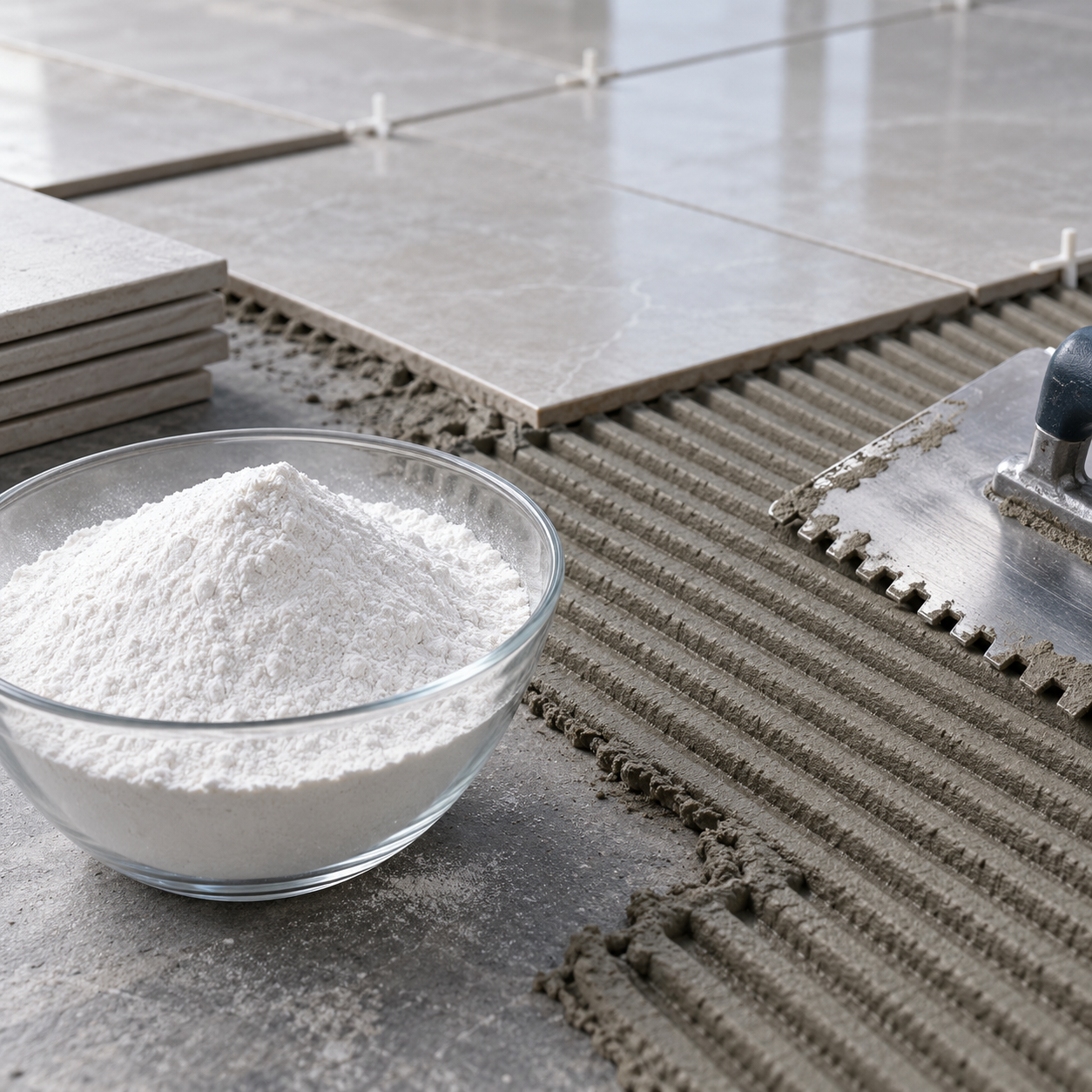

Redispersible Polymer Powder (RDP) is a powder additive produced from polymer emulsion through a spray-drying process. When added to dry mix mortar and mixed with water, this product can re-disperse to form a polymer emulsion, creating a polymer film during the mortar hardening process, thereby improving the physical and mechanical properties of the mortar.
Product Basic Characteristics
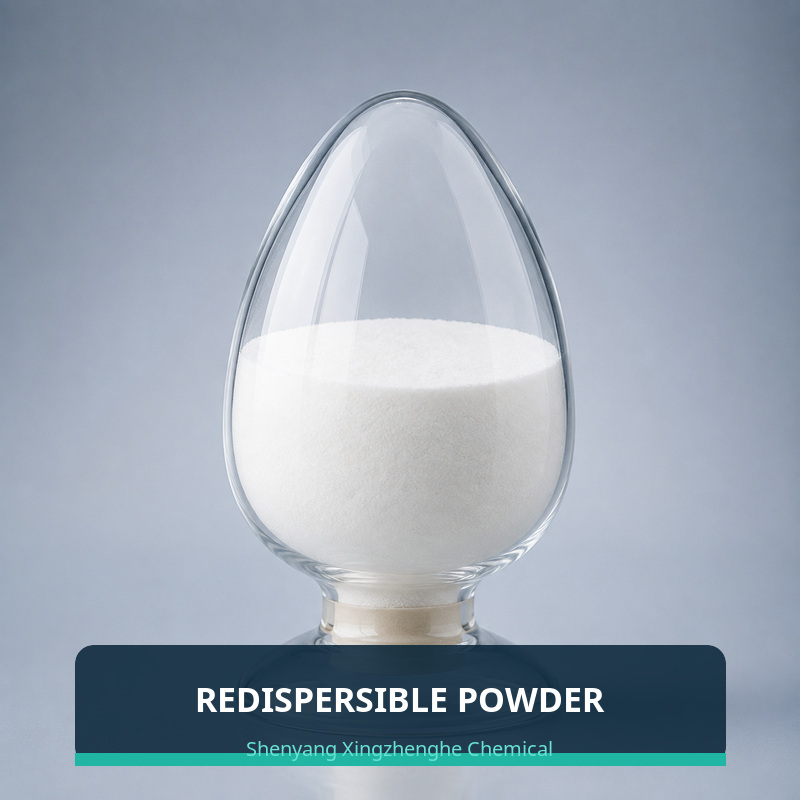
Redispersible polymer powder appears as a white or off-white free-flowing powder. Its core function is to provide polymer modification in mortar systems, primarily including the following aspects:
Redispersibility: Can re-disperse to form a stable polymer emulsion when mixed with water
Film-Forming Properties: Forms a continuous polymer film after water evaporates, distributed among cement hydration products
Improved Bonding Strength: Polymer film helps enhance adhesion between mortar and various substrates
Improved Flexibility: Reduces the elastic modulus of mortar, increasing resistance to deformation
Enhanced Durability: Reduces internal micro-cracks, assisting in improving impermeability and freeze-thaw resistance
Main Grades and Specifications
Based on different polymer compositions, redispersible polymer powders are mainly classified into the following types:
| Type | Main Components | Characteristics | Suitable Applications |
|---|---|---|---|
| Vinyl Acetate-Ethylene Copolymer (VAE) | VAc + E | Good flexibility, moderate cost-performance | Plastering mortar, tile adhesives, putty |
| Acrylate Copolymer | Acrylate esters | Good weatherability, strong bonding strength | ETICS, repair mortar |
| Vinyl Acetate-Veova Copolymer | VAc + VeoVa | Good alkali resistance | High-grade waterproofing mortar, insulation system mortar |
| Styrene-Acrylate Copolymer | St + Ac | High bonding strength | Tile adhesives, primer mortar |
Note: Appearance and specific specifications may vary among different product grades. The above are typical reference information.
Main Application Areas
Redispersible polymer powder is suitable for various dry mix mortar products. Common applications include:
1. Tile Adhesives
Adding RDP to tile adhesives helps improve bonding strength, enhance slip resistance, and increase adhesion between the mortar and tile backing as well as the substrate.
2. External Thermal Insulation Composite System (ETICS) Mortars
In ETICS basecoat and adhesive mortars, RDP assists in improving mortar flexibility and impact resistance, reducing cracking risks caused by temperature changes.
3. Plastering Mortars and Putty
RDP improves the workability of plastering mortars and putty, enhances bonding strength with the substrate, and reduces hollowing and cracking.
4. Waterproofing Mortars
Adding RDP to waterproofing mortars helps form a dense polymer film, reducing water permeability and improving impermeability.
5. Self-Leveling Mortars
RDP assists in improving the flowability and surface strength of self-leveling mortars while enhancing adhesion to the substrate.
6. Repair Mortars
Using RDP in repair mortars improves bonding performance between old and new concrete and enhances the durability of the repair layer.
7. Gypsum-Based Materials
In gypsum-based plasters and joint fillers, RDP helps improve the flexibility and surface strength of gypsum, reducing cracking tendency.
Technical Data Reference (Typical Range)
| Parameter | Typical Range | Description |
|---|---|---|
| Appearance | White or off-white powder | —— |
| Solid Content (%) | ≥98.0 | —— |
| Bulk Density (g/L) | 400 – 600 | —— |
| Ash Content (%, 750°C) | 10 – 25 | Contains inorganic anti-caking agent |
| Glass Transition Temperature (°C) | -10 – +20 | Affects flexibility |
| pH Value | 6.0 – 8.0 | —— |
Note: The above data represent typical product performance ranges. Different product specifications may vary. Please refer to specific product test reports for accurate values.
Usage Recommendations
Recommended Addition Rate: Typically 1% – 5% of the total cementitious material weight. Specific dosage should be determined through trials based on mortar type and performance requirements.
Mixing Method: Premix the redispersible polymer powder with other powder materials before adding to the mixing equipment with water to ensure uniform dispersion.
Mixing Time: After adding water, mix thoroughly to allow complete re-dispersion of the powder. Mixing time is generally not less than 3 minutes.
Storage Conditions: RDP is hygroscopic. Seal packaging bags promptly after use to avoid moisture absorption and caking.
Packaging and Storage
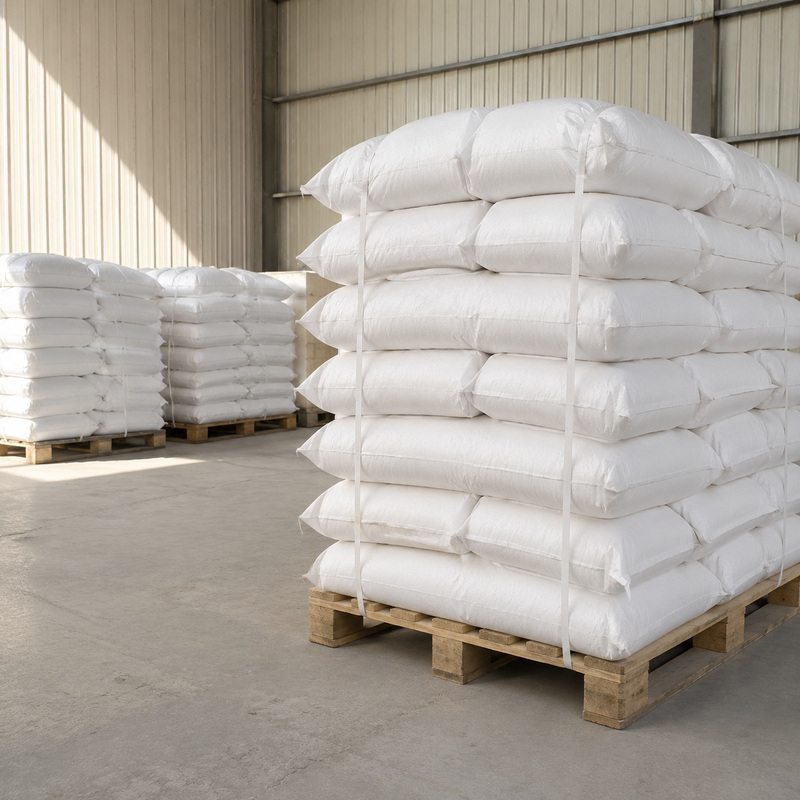
Packaging Forms: Paper-plastic composite bags with inner polyethylene moisture-proof film, net weight 25kg per bag. Ton bags or other packaging specifications can also be provided upon request.
Storage Conditions: Recommended storage in a cool, dry, well-ventilated indoor environment away from direct sunlight and moisture. Once opened, the packaging should be used promptly and kept properly sealed.