
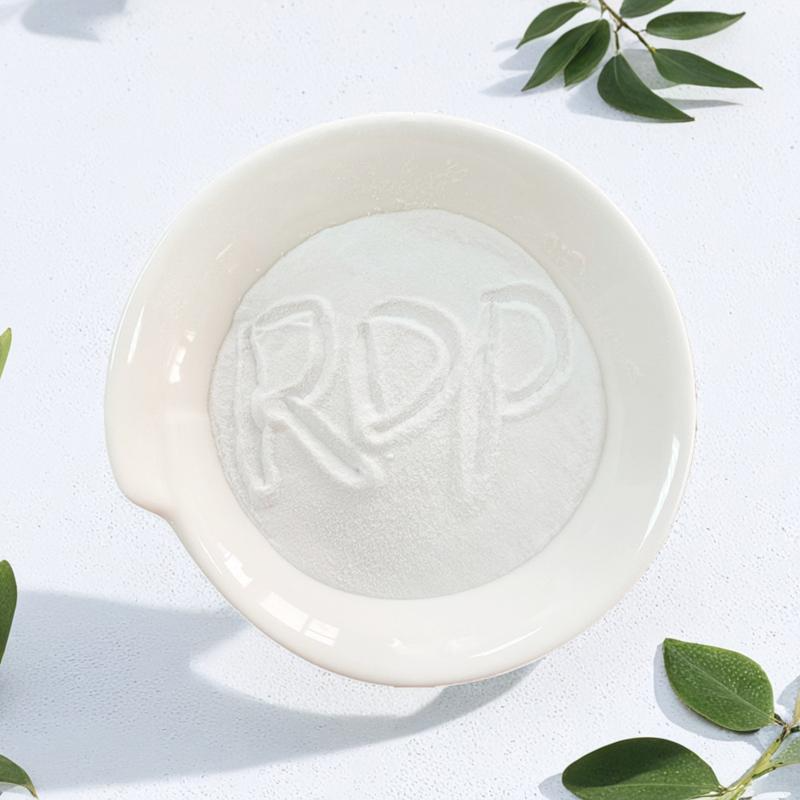
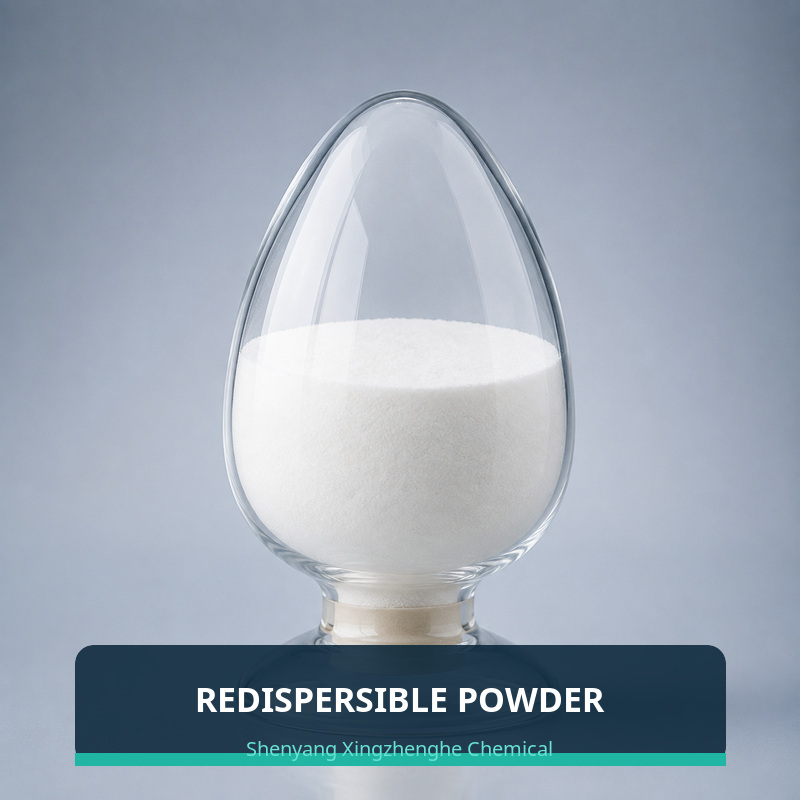
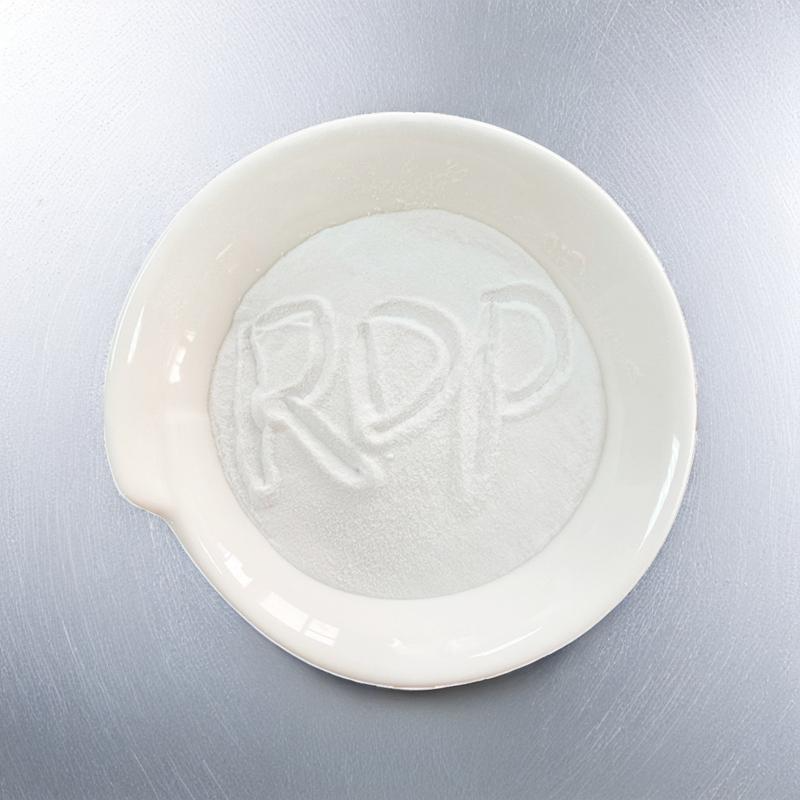
Redispersible Polymer Powder is a powdered thermoplastic resin produced by spray-drying polymer emulsions. The product appears as a white or off-white free-flowing powder that can redisperse in water to form a stable polymer emulsion. When added to dry-mix mortars, it provides polymer modification effects, improving the mechanical properties and durability of the hardened mortar.
The application of redispersible polymer powder in mortars has a history of several decades. Its primary functions include improving the adhesion of mortar to various substrates, enhancing flexibility and crack resistance, increasing water resistance and durability, and optimizing workability.
Redispersible polymer powder can improve the adhesion of mortar to various substrates. For surfaces that are difficult to bond, such as tiles, polystyrene boards, and wood, the polymer forms a continuous film during the curing process, creating a bridging effect that enhances adhesion. For products used in tile adhesives, the tensile bond strength typically reaches not less than 1.0 MPa.
The polymer film formed by the powder in mortar provides flexibility to the hardened mortar, enabling it to accommodate minor substrate deformations and thermal expansion and contraction caused by temperature variations. Powders with lower glass transition temperatures offer better flexibility, making them suitable for applications with significant temperature variations, such as external thermal insulation systems.
Redispersible polymer powders based on vinyl chloride or vinyl acetate copolymers exhibit good water resistance, enhancing the hydrophobicity and impermeability of mortars. They are suitable for waterproofing mortars, tile grouts, and other applications in damp environments.
The powder enhances the water retention and lubricity of mortar, making troweling and application smoother, and extending open time for easier construction operations.
In tile adhesives, redispersible polymer powder is one of the core additives. Its functions include: improving bond strength between tiles and substrates, enhancing slip resistance, reducing the risk of tile detachment; improving the wettability and workability of the adhesive; and enhancing water resistance and aging resistance.
When selecting redispersible polymer powder for tile adhesives, attention should be paid to bond strength specifications and water-resistant bond strength retention. The recommended dosage is typically 1.0% to 3.0% of the cementitious material mass, with the specific dosage determined through trials based on tile type and construction conditions.
In external thermal insulation systems, redispersible polymer powder is used in both adhesive mortars and basecoat mortars. In adhesive mortars, the powder enhances the bond between insulation boards and walls. In basecoat mortars, the powder provides flexibility and crack resistance to accommodate thermal expansion and contraction, preventing surface cracking and detachment.
For this application, powders with lower glass transition temperatures are recommended to ensure flexibility remains at lower temperatures. The dosage is typically 2.0% to 4.0%.
Adding redispersible polymer powder to interior and exterior wall putties improves flexibility and adhesion, preventing powdering, peeling, and cracking. The dosage in putty powders is generally lower, around 1.0% to 2.0%, but the improvement in overall putty performance is quite noticeable.
In self-leveling mortars, redispersible polymer powder is used to improve flowability, enhance surface strength, and increase adhesion to the substrate. Low-viscosity powders are more suitable for self-leveling systems, improving surface quality while maintaining flowability.
Water-resistant grades of redispersible polymer powder are suitable for waterproofing mortars and moisture protection systems. Their dense film formation and hydrophobicity help improve the impermeability of mortars, making them suitable for basements, bathrooms, and roofs.
The solid content of redispersible polymer powder reflects the proportion of active ingredients. Quality products typically have a solid content of not less than 98%. Lower solid content may indicate insufficient active ingredients or excessive filler addition.
Ash content reflects product purity. Quality products typically have an ash content between 10% and 15%. Excessively high ash content indicates excessive filler addition, diluting the effective film-forming components.
Redispersibility is a core indicator for evaluating redispersible polymer powder quality. When a small sample is dissolved in water, quality products disperse quickly into a uniform emulsion with no obvious precipitation or clumping. Powders with poor redispersibility may cause issues such as uneven dispersion and locally reduced strength in practical use.
Glass transition temperature directly affects the flexibility of the powder. Powders with lower glass transition temperatures remain flexible at low temperatures, making them suitable for applications with significant temperature variations such as external insulation systems. Powders with higher glass transition temperatures offer higher hardness, making them suitable for applications with higher strength requirements.
Recommended dosages vary by mortar type:
| Application Type | Reference Dosage (% of cementitious material mass) |
|---|---|
| Tile Adhesives | 1.0% to 3.0% |
| External Insulation Basecoat Mortars | 2.0% to 4.0% |
| Putty Powders | 1.0% to 2.0% |
| Self-Leveling Mortars | 0.5% to 2.0% |
Specific dosages should be determined through trials based on mortar type, performance requirements, and construction conditions. Excessive dosages may increase costs, while insufficient dosages may fail to achieve the desired modification effects.
It is recommended to pre-mix the redispersible polymer powder with other dry powder materials uniformly before adding water in the mixing equipment to ensure even dispersion. Inconsistent mixing may lead to localized performance variations.
The product should be stored in sealed containers in a cool, dry place, protected from moisture and high temperatures. Once the bag is opened, it should be used as soon as possible to prevent moisture absorption and caking.
Shenyang Xingzhenghe Chemical Co., Ltd. (www.xzhch.com) is a supplier specializing in concrete admixtures and construction chemical raw materials. The company's primary product is redispersible polymer powder, available in general-purpose, water-resistant, and functional grades to meet the needs of various applications including tile adhesives, putty powders, insulation mortars, and waterproofing mortars.
Redispersible polymer powder provides polymer modification effects in dry-mix mortars by improving bond strength, enhancing flexibility, increasing water resistance, and optimizing workability. When selecting redispersible polymer powder products, factors such as solid content, ash content, redispersibility, and glass transition temperature should be considered, along with the specific application requirements for powder type and dosage.
Contact Us:
Company: Shenyang Xingzhenghe Chemical Co., Ltd.
Website: www.xzhch.com
Phone: +86 13889850231
Email: sales01@xzhch.com
Address: No. 33, Nan'er Road, Heping District, Shenyang, China
 How to Compare RDP Samples Before Changing Suppliers
 What Is Redispersible Polymer Powder (RDP)? How It Works in Dry Mix Mortar
 How to Select Redispersible Polymer Powder for Tile Adhesive
 Redispersible Polymer Powder for ETICS Mortar: Performance and Selection Guide