
Self-leveling compounds are designed to spread across a prepared floor and form a suitable base for later flooring work. Their performance depends on the complete formulation, including the binder system, fillers, water level and functional additives.
Redispersible polymer powder (RDP) may be used in some self-leveling formulations to modify the properties of the hardened material. Its suitability should be evaluated in the finished compound rather than judged from the powder specification alone. A formulation must maintain the required fresh-state behavior while also meeting the performance expectations for the cured floor.
RDP is incorporated into a dry-mix formulation and redistributes when the material is mixed with water. As the compound hardens and dries, the polymer component can contribute to the structure of the modified mortar.
Depending on the RDP grade and the rest of the formulation, it may influence properties such as adhesion, cohesion, flexibility and abrasion behavior. These effects are not independent. A change that improves one measured property may also change the mixture’s handling or other hardened properties.
For this reason, RDP should be treated as one part of a balanced system. It does not replace proper binder selection, filler grading, substrate preparation or control of mixing water.
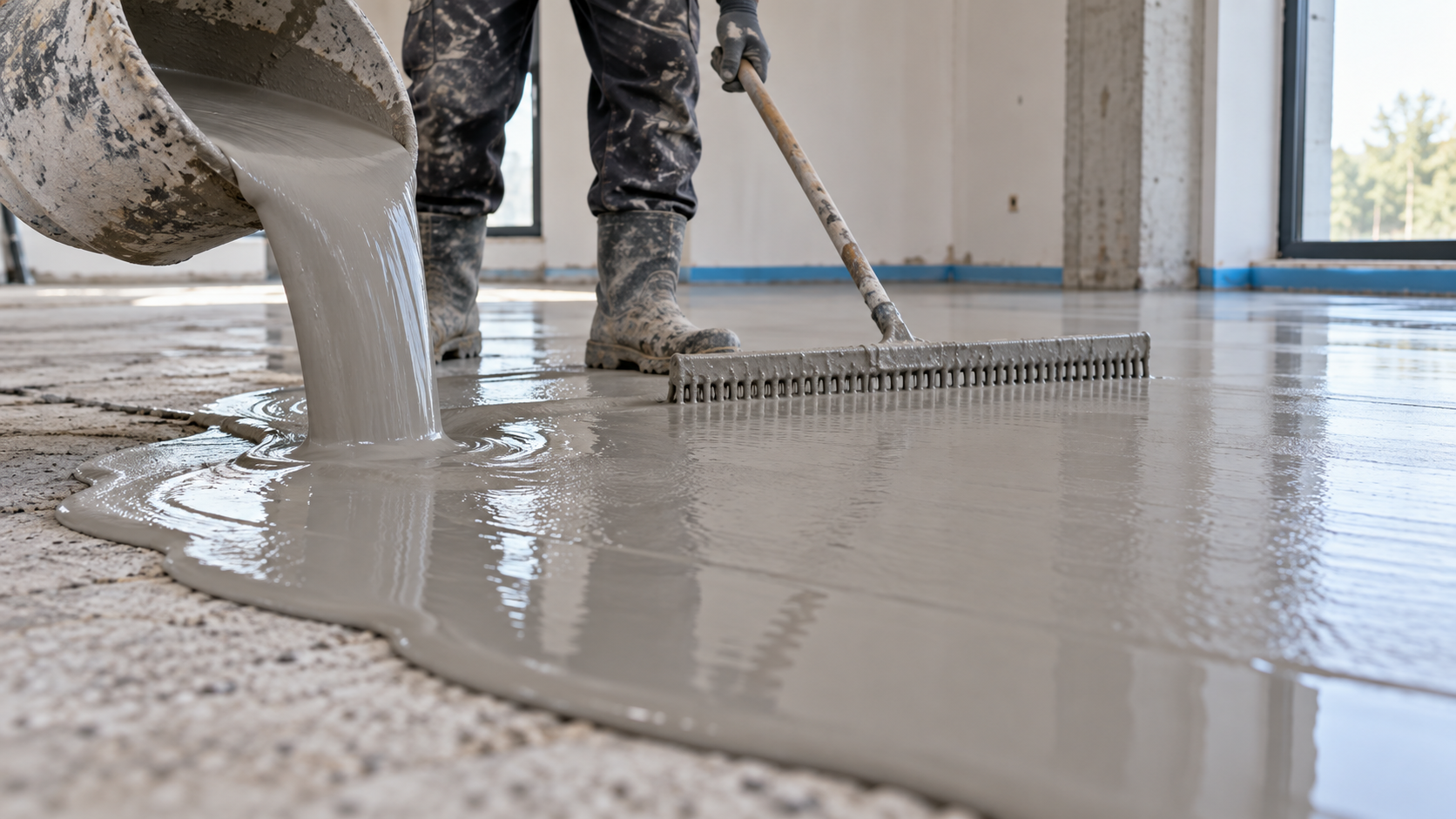
A self-leveling compound must flow and spread as intended after mixing. If the material is too stiff, it may be difficult to place and may not form an even layer. If the formulation is unstable, it may show separation, uneven spreading or an inconsistent surface.
When assessing RDP, producers should check the full fresh-state behavior of the compound, including:
Initial flow after mixing;
Flow retention over the intended working period;
Ease of spreading and the ability to join adjacent pours;
Signs of segregation or surface water;
Consistency from batch to batch.
The powder is not evaluated in isolation. Water content, binder composition, filler particle size, mixing sequence and the other additives can all affect the final flow and application behavior.
A leveling layer must remain bonded to the prepared substrate under the conditions for which the product is intended. The substrate type, surface cleanliness, porosity and moisture condition can affect the result. A formulation that performs well on one substrate may need further evaluation on another.
After curing, testing may include:
Bond to the specified substrate;
Surface cohesion and resistance to dusting;
Abrasion behavior for the intended use;
Flexural and compressive strength where relevant;
Shrinkage and visible cracking;
Compatibility with the planned flooring system.
These checks help identify whether a change in RDP has improved the overall formulation or only one part of its performance. The required tests should match the product’s intended application and the customer’s acceptance criteria.
“Self-leveling compound” can refer to products built around different binder systems. Cement-based and gypsum-based formulations have different raw materials and setting behavior. An RDP grade that works in one system should not automatically be assumed to perform the same way in another.
Before selecting a powder, identify:
The binder system and the other main components;
The expected layer thickness and application method;
The substrate and its preparation requirements;
The required working time and flow behavior;
The performance properties that matter after curing.
This information gives the supplier and formulator a clearer basis for sample selection and testing.
A controlled laboratory comparison is more useful than changing several ingredients at once. Start with the current formulation as a reference. Then compare candidate RDP grades under the same mixing procedure, water content, temperature and test conditions.
Record both fresh and hardened properties. If a sample gives a different flow result, confirm the water level and mixing procedure before drawing conclusions about the powder. If the cured surface shows cracking, dusting or poor adhesion, also review the binder, filler balance, substrate preparation and curing conditions.
A useful test record should include the RDP grade, dosage used in the trial, raw-material batches, water content, mixing time, test results and observations during application. The dosage used in a trial should be established for the specific formulation rather than copied from an unrelated product.
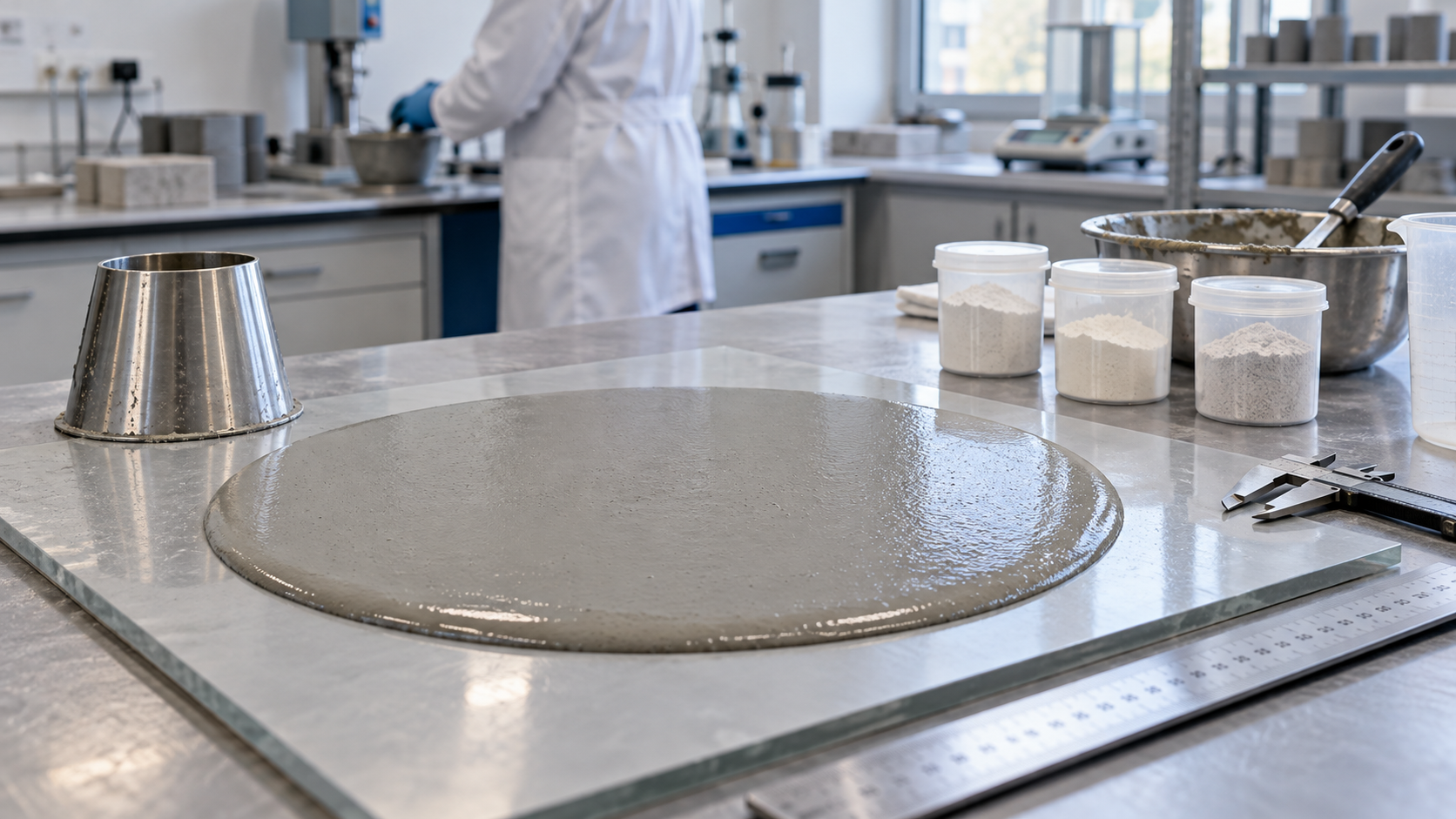
Several shortcuts can lead to misleading conclusions:
Selecting RDP only by its product name or one technical value;
Comparing samples with different water levels or mixing conditions;
Testing only flow while ignoring adhesion and cured-surface properties;
Changing RDP and other additives at the same time;
Assuming results from a cement-based system will apply to a gypsum-based system.
A clear test plan helps distinguish the effect of RDP from the effects of the rest of the formulation.
RDP can be considered for self-leveling compounds when the formulation requires polymer modification, but its suitability depends on the binder system, substrate and target performance. The most reliable selection process compares samples in the actual formulation and evaluates both fresh-state flow and cured properties.
For dry-mix mortar producers, defining the application first and testing under controlled conditions provides a practical basis for selecting an RDP grade for floor leveling products.
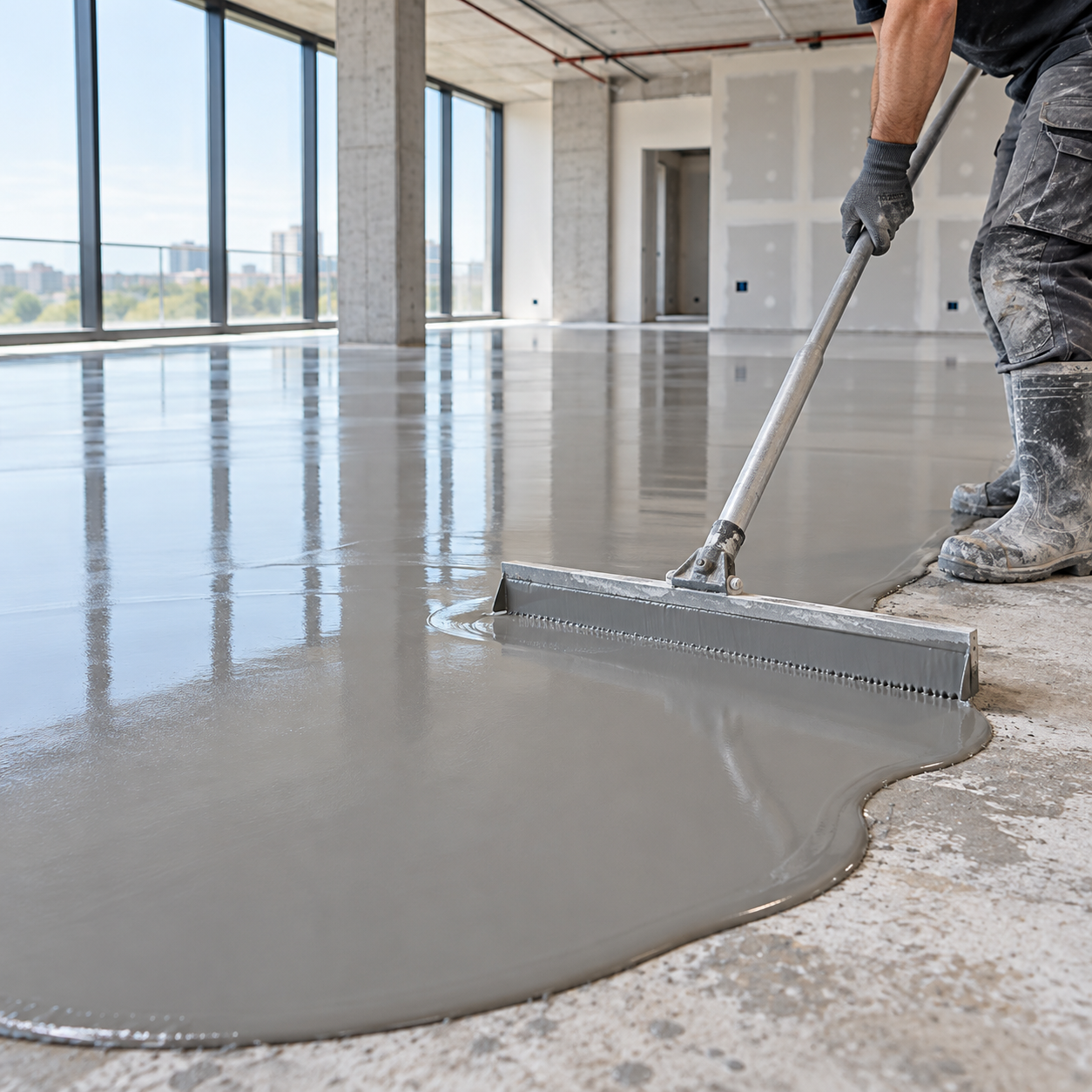 RDP in Self-Leveling Compounds: Balancing Flow, Adhesion and Surface Performance
 RDP in Self-Leveling Compounds: Balancing Flow, Adhesion and Surface Performance
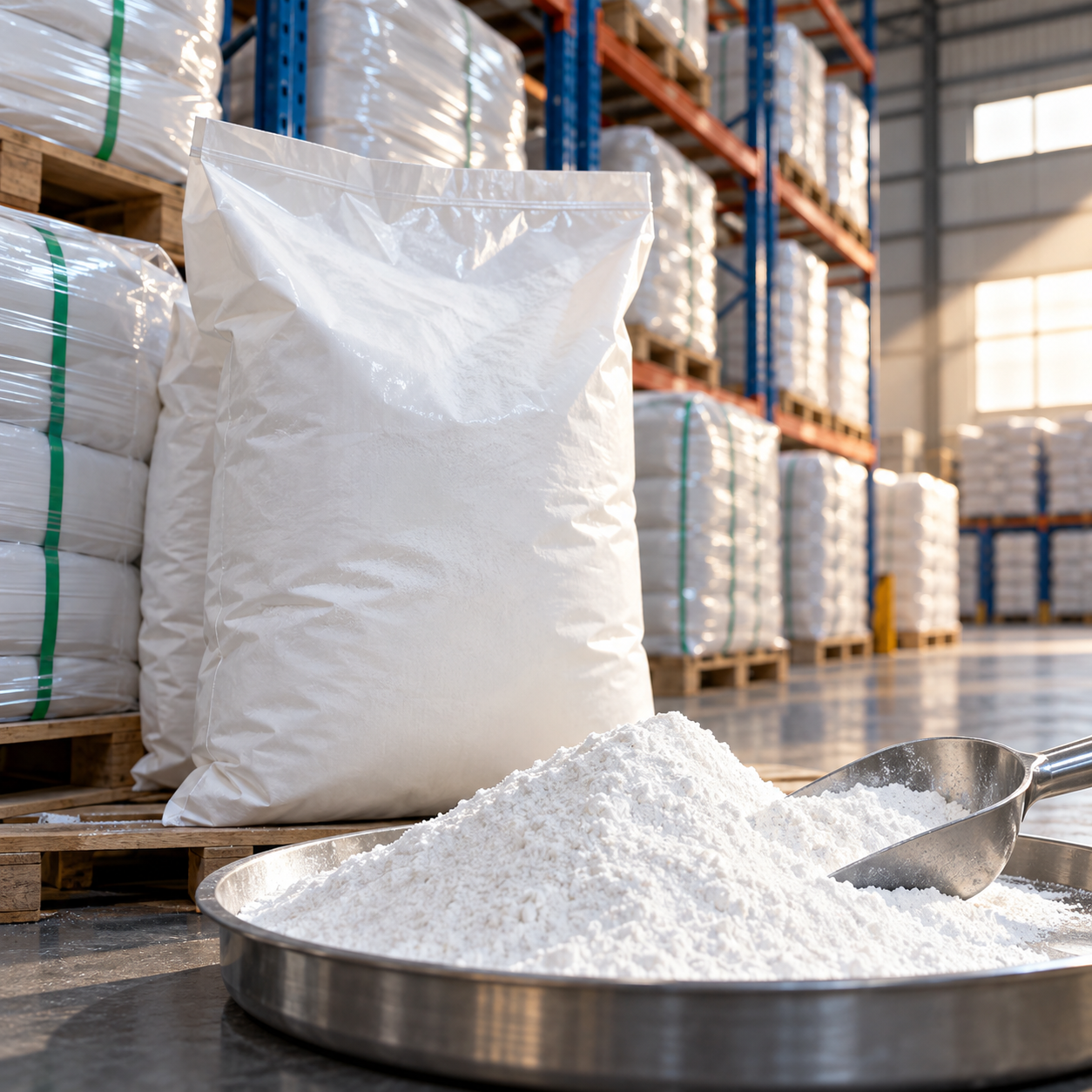 Why Does RDP Change After Long-Term Storage? Moisture, Caking, Redispersion and Packaging Explained
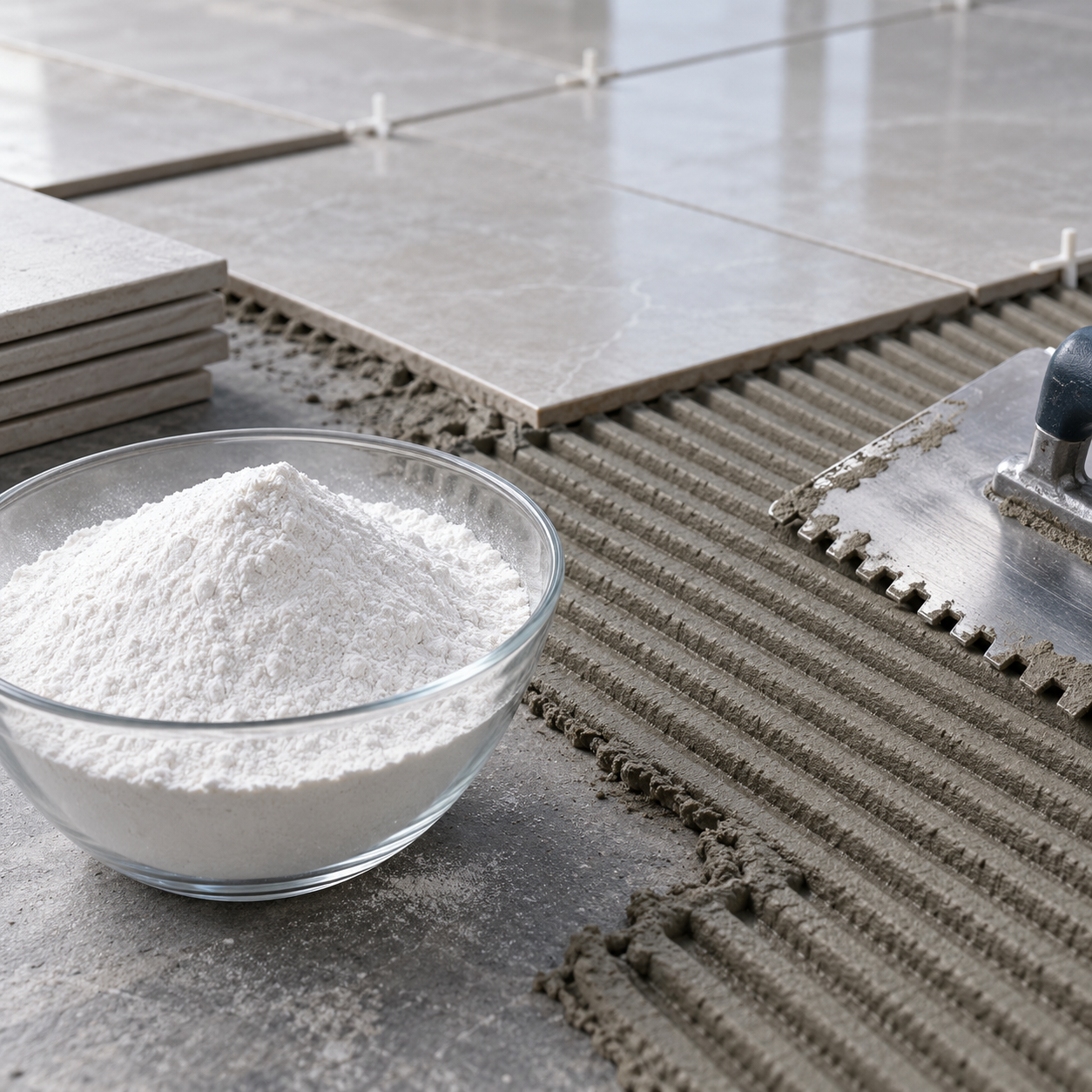 How Does Redispersible Polymer Powder (RDP) Improve the Performance of Tile Adhesive?