
Tile adhesive is one of the most important applications for modern dry mix mortar systems.
Compared with traditional cement mortar, tile adhesive requires better:
Adhesion strength
Workability
Flexibility
Water resistance
Durability
As modern tiles become larger and installation conditions become more complex, the requirements for tile adhesive performance continue to increase.
To improve the properties of cement-based tile adhesive, manufacturers commonly use functional additives such as:
Redispersible Polymer Powder (RDP)
Hydroxypropyl Methyl Cellulose (HPMC)
Starch Ether
Other formulation components
Among these additives, Redispersible Polymer Powder (RDP) plays an important role in modifying the properties of cement-based adhesive systems.
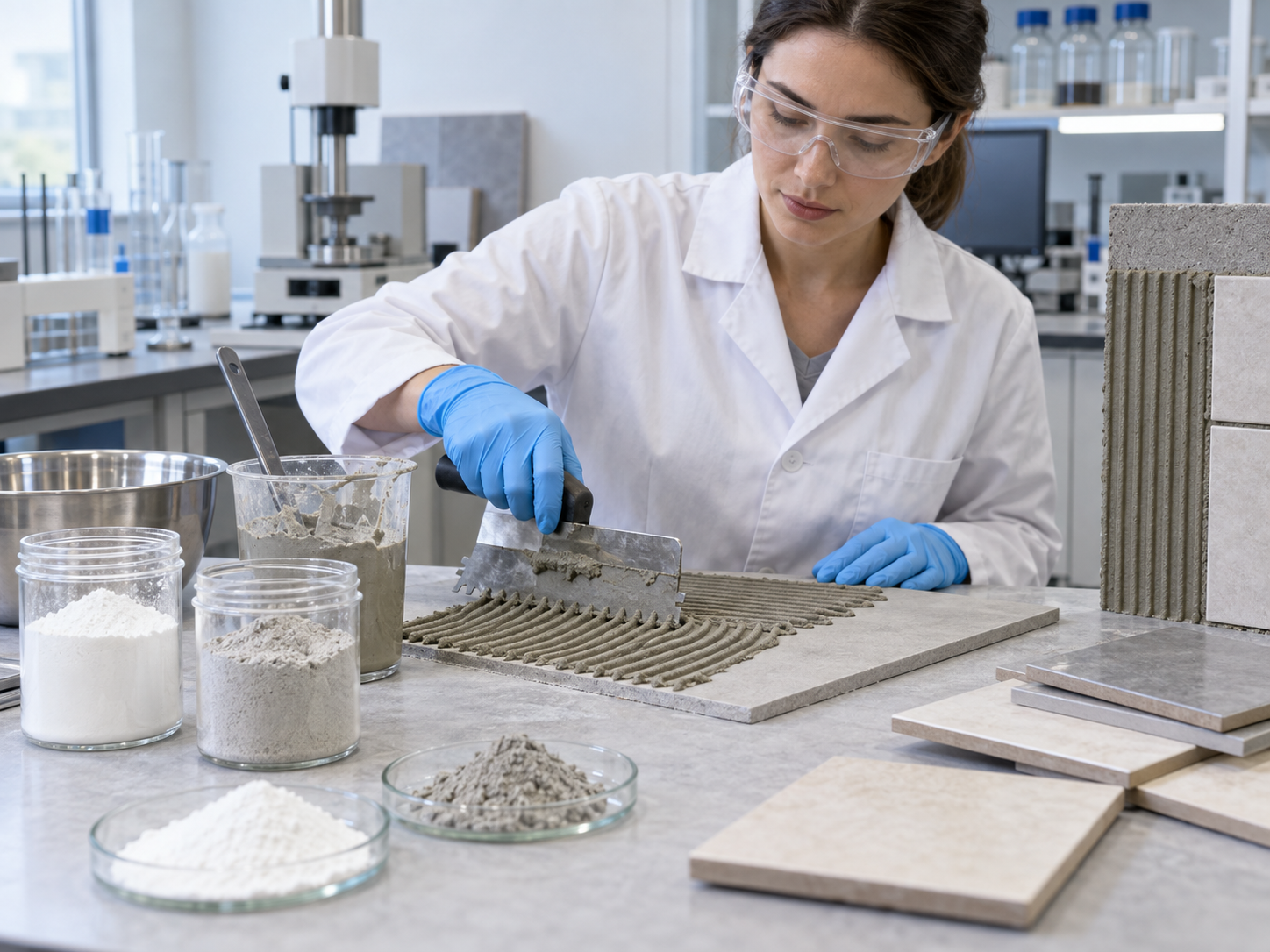
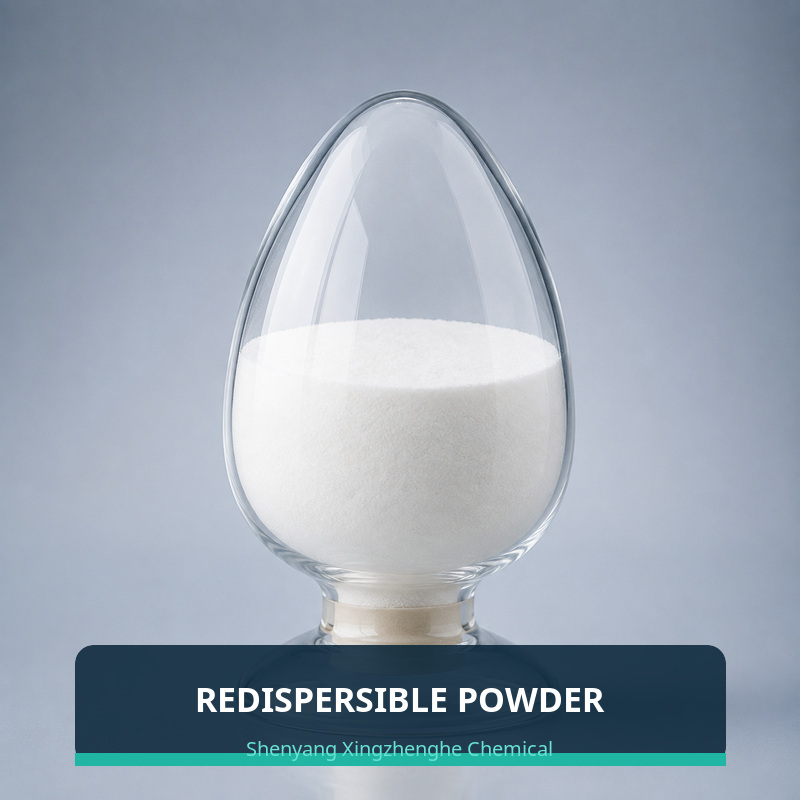
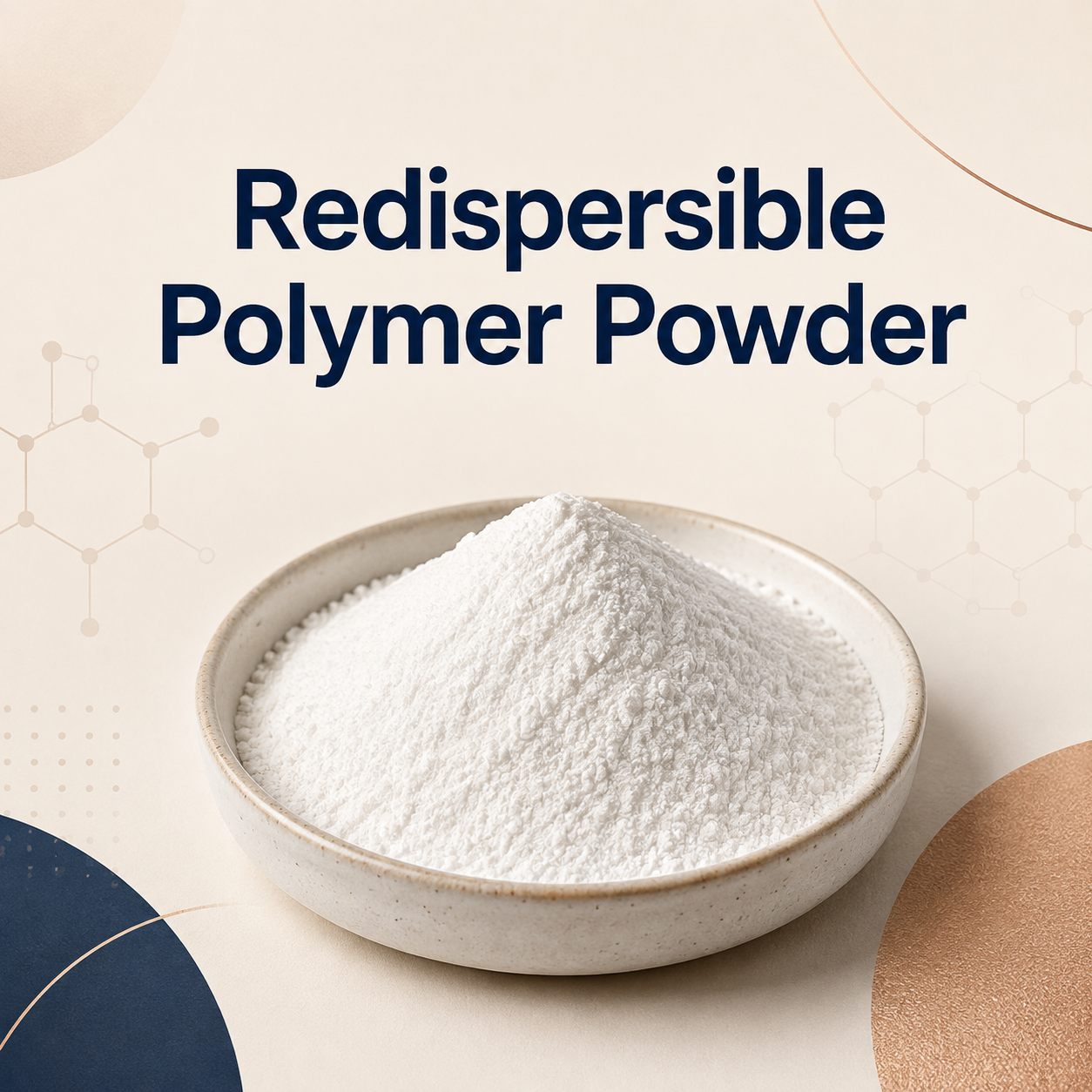
Redispersible Polymer Powder (RDP) is a polymer powder produced by spray drying polymer emulsions.
When mixed with water, RDP can redisperse and form a polymer dispersion.
During the hardening process of cement-based materials, the polymer particles form a flexible polymer film inside the mortar structure.
This polymer network helps improve the overall performance of tile adhesive.
Adhesion is one of the most important properties of tile adhesive.
Tiles may be installed on different substrates, including:
Concrete
Cement boards
Plaster surfaces
Other building materials
RDP helps improve bonding performance by enhancing the connection between:
Cement hydration products
Mineral components
Tile surfaces
The polymer film improves the internal cohesion of the adhesive layer and contributes to stronger bonding performance.
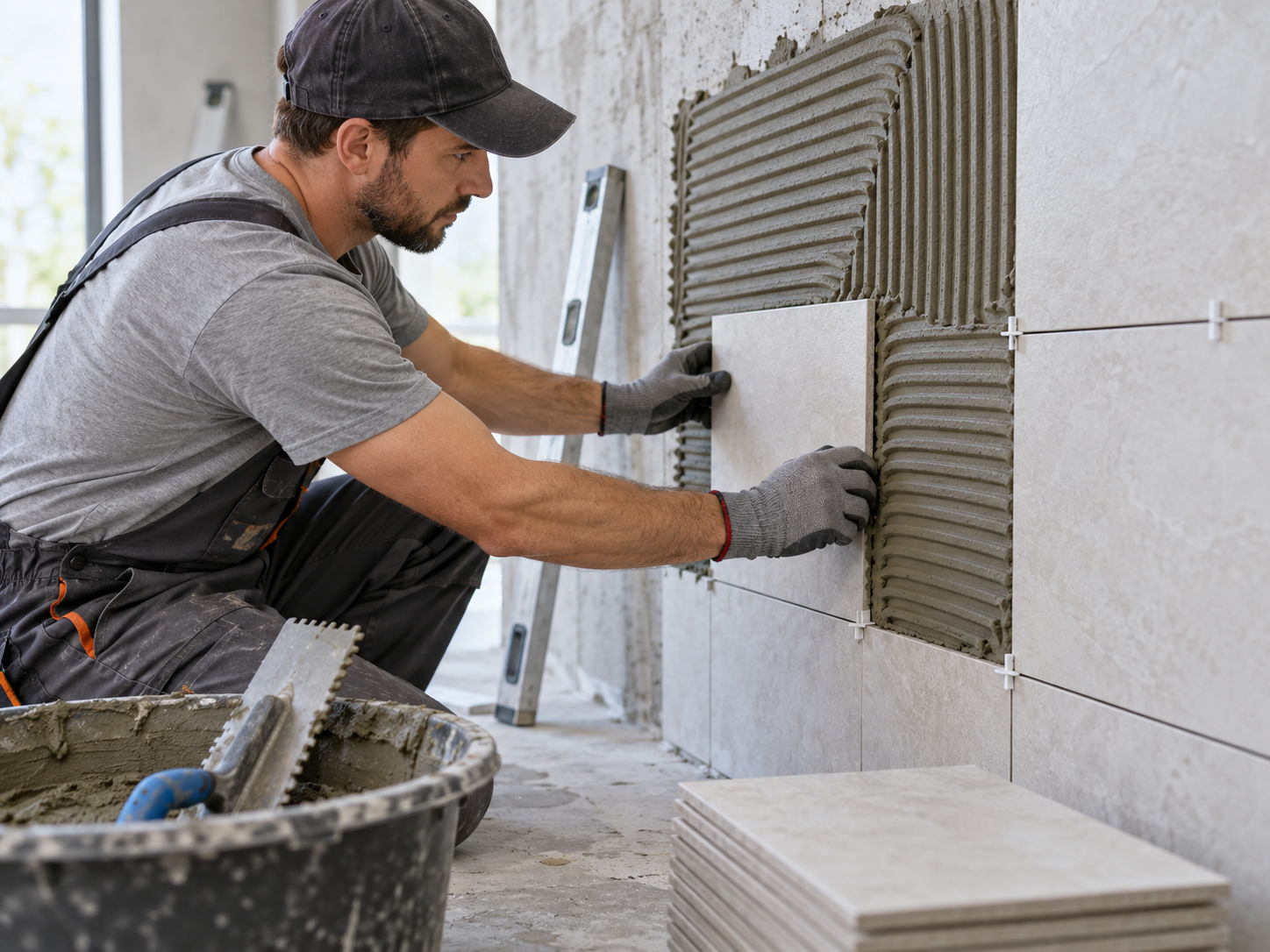
Traditional cement-based materials are relatively brittle.
During service, tile adhesive may experience:
Temperature changes
Substrate movement
Drying shrinkage
External stress
The flexible polymer structure formed by RDP can help the adhesive layer better accommodate small movements.
This property is especially important for:
Large-format tiles
Exterior applications
Areas exposed to temperature variation
In some applications, tile adhesive may be exposed to moisture.
Examples include:
Bathrooms
Kitchens
Exterior walls
Wet areas
RDP can improve the structure of the hardened mortar and reduce the negative influence of water exposure.
However, the final water resistance depends on the complete formulation, including:
Cement type
Aggregate
Polymer content
Other additives
Open time refers to the period during which tile adhesive maintains suitable bonding performance after application.
Proper open time is important for construction efficiency.
RDP works together with other additives, especially HPMC, to influence:
Moisture retention
Surface drying behavior
Application performance
The final open time depends on the entire formulation system.
RDP and HPMC are commonly used together in tile adhesive formulations.
They provide different functions:
Mainly contributes to:
Water retention
Thickening
Workability improvement
Mainly contributes to:
Polymer modification
Adhesion improvement
Flexibility enhancement
The combination of these additives helps manufacturers design balanced tile adhesive systems.
The performance of RDP depends on several factors.
Different polymer compositions may provide different characteristics.
Tg influences polymer flexibility and film formation behavior.
The appropriate dosage depends on:
Tile type
Substrate conditions
Performance requirements
RDP should be evaluated together with the complete formulation.
When selecting RDP, manufacturers should consider:
Different products may require different properties.
Examples:
Standard tile adhesive
Flexible tile adhesive
Exterior tile adhesive
Consistent quality is important for continuous production.
Professional suppliers usually provide:
TDS
SDS
COA
Construction material formulations are complex.
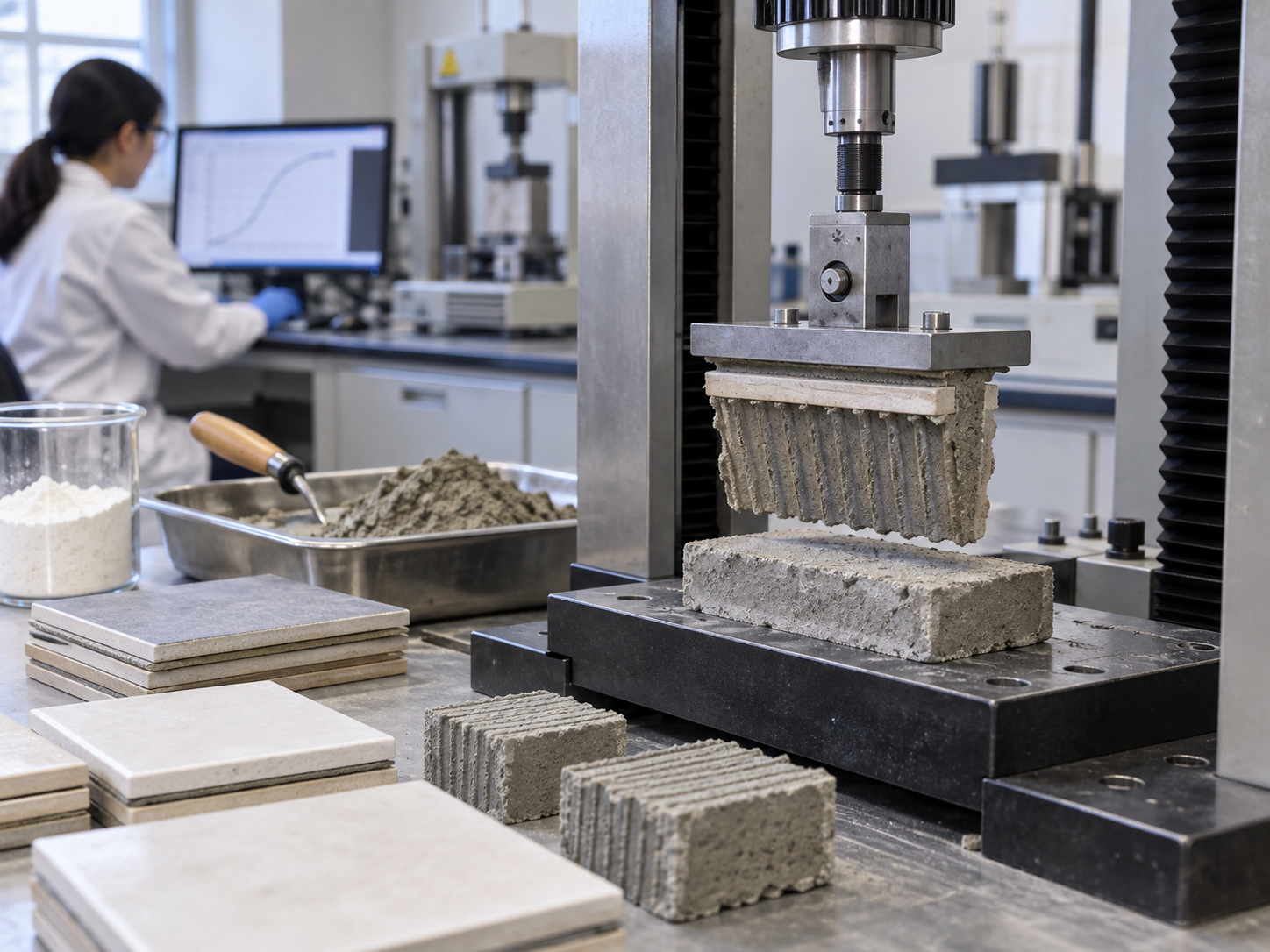
Even if RDP specifications appear suitable, testing in the actual formula is recommended.
Evaluation may include:
Adhesion strength
Flexibility
Water resistance
Workability
Storage stability
Laboratory testing helps confirm compatibility before commercial production.
For international purchasing, customers usually evaluate:
Product quality
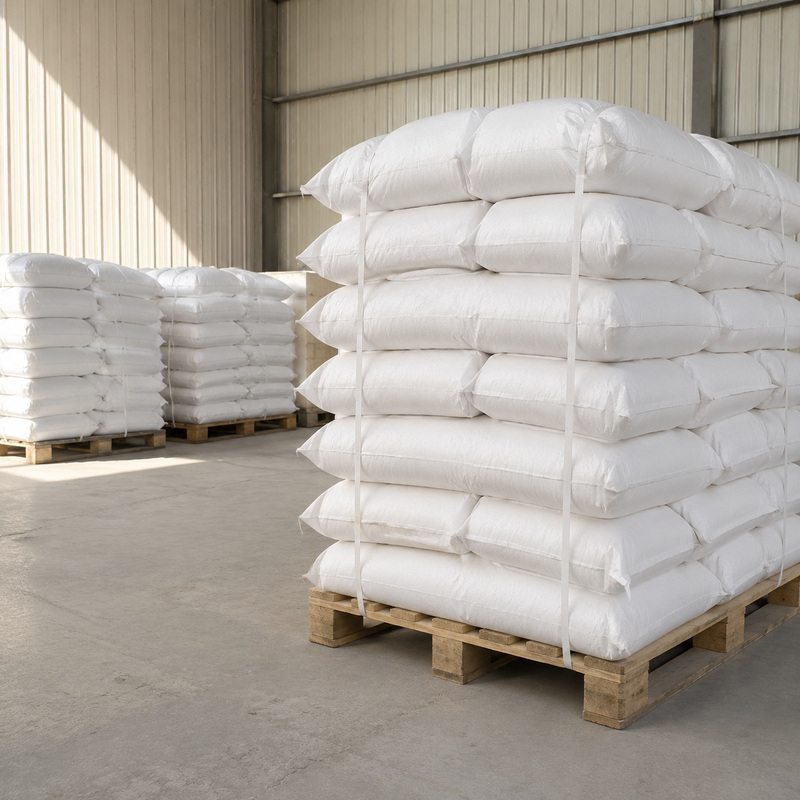
Packaging
Delivery capability
Technical support
Export experience
A stable supplier relationship helps maintain consistent production.
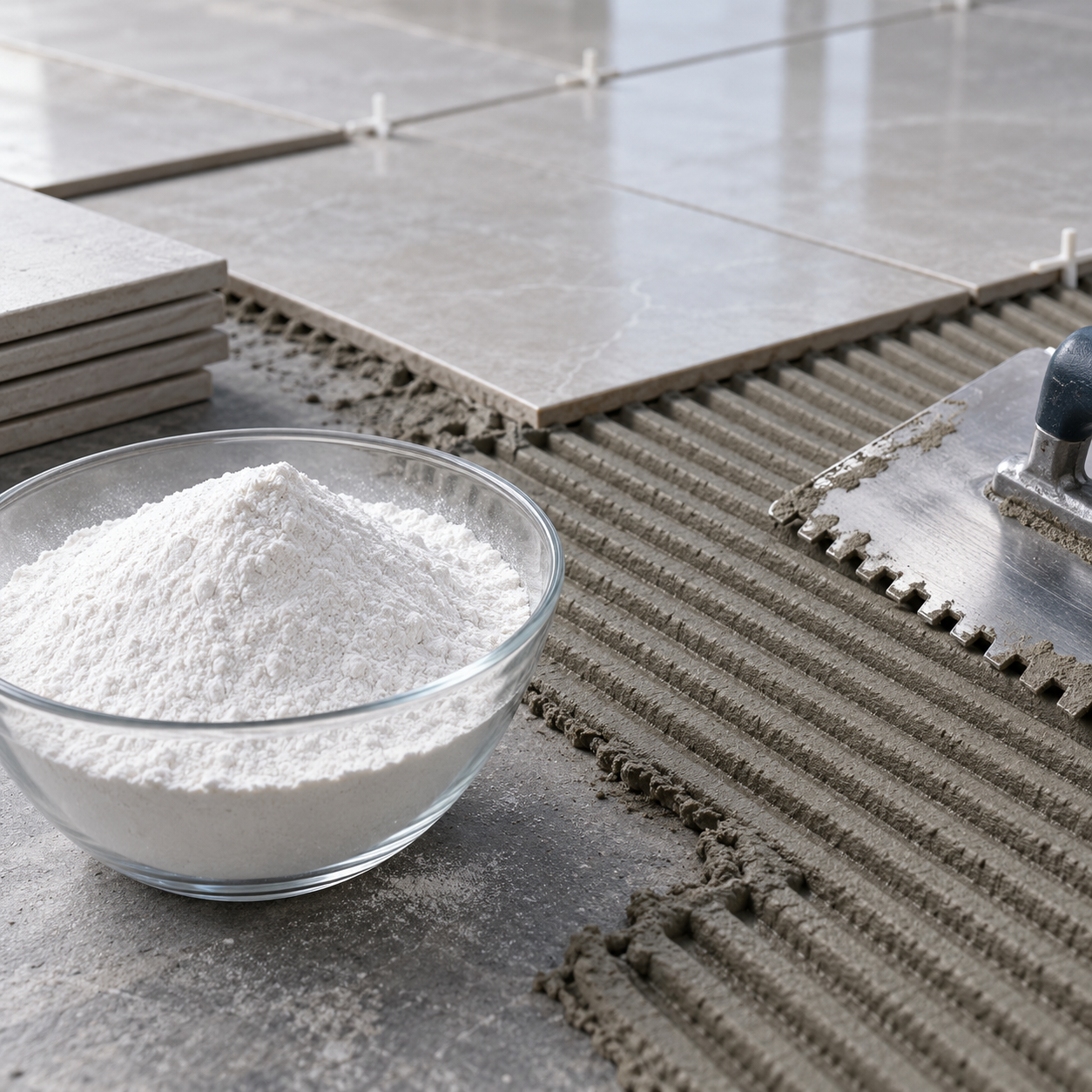
RDP improves adhesion, flexibility, water resistance and overall performance of cement-based tile adhesive systems.
No. RDP is a functional polymer additive used together with cement and other components.
Not necessarily. The suitable dosage depends on the formulation and required performance.
Yes. RDP and HPMC are commonly used together because they provide different functions.
Redispersible Polymer Powder (RDP) is an important additive for modern tile adhesive formulations.
By improving adhesion, flexibility and material performance, RDP helps manufacturers develop higher-quality cement-based adhesive systems.
However, the best RDP selection depends on:
Application requirements
Formulation design
Construction conditions
Testing results
Shenyang Xingzhenghe Chemical Co., Ltd. supplies construction grade RDP with technical documents, samples and export support according to customer requirements.
Product selection should always be evaluated according to the customer's specific formulation and application conditions.
 How Does Redispersible Polymer Powder (RDP) Improve the Performance of Tile Adhesive?
 How to Compare RDP Samples Before Changing Suppliers
 What Is Redispersible Polymer Powder (RDP)? How It Works in Dry Mix Mortar
 How to Select Redispersible Polymer Powder for Tile Adhesive