
Redispersible Polymer Powder (RDP) is a powdered thermoplastic resin produced by spray-drying polymer emulsions. It can re-disperse in water to form a stable polymer emulsion. When added to dry-mix mortars, it forms a continuous polymer film during the curing process of the mortar, thereby significantly improving the bond strength, flexibility, water resistance, abrasion resistance, and impact resistance of the mortar. RDP is an indispensable core additive in high-performance dry-mix mortars such as tile adhesives, external thermal insulation systems, self-leveling compounds, and repair mortars. This article systematically introduces the basic properties, manufacturing methods, core functions, and specific applications in the construction industry.
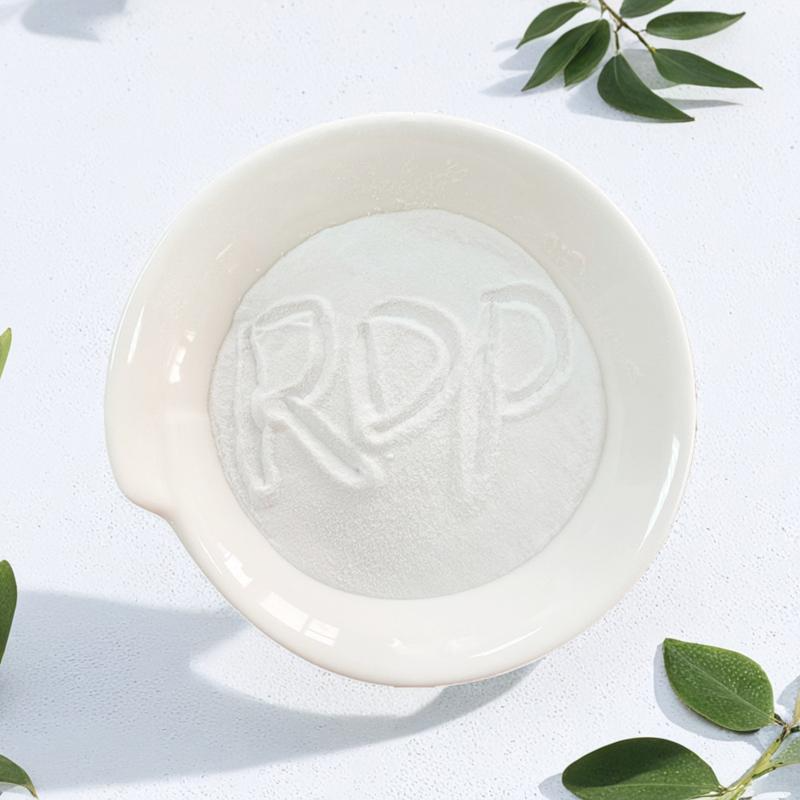
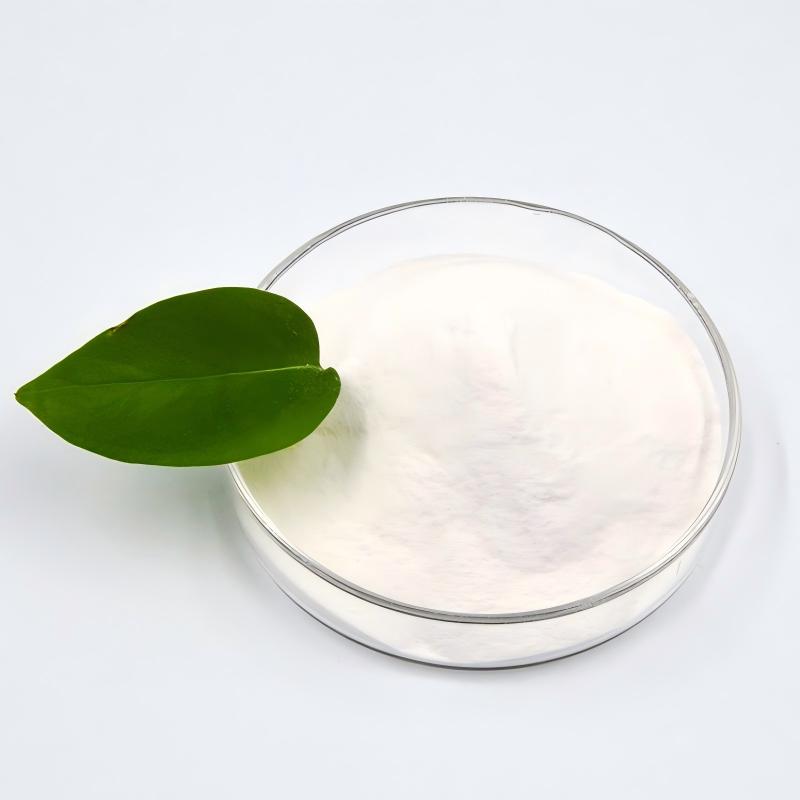
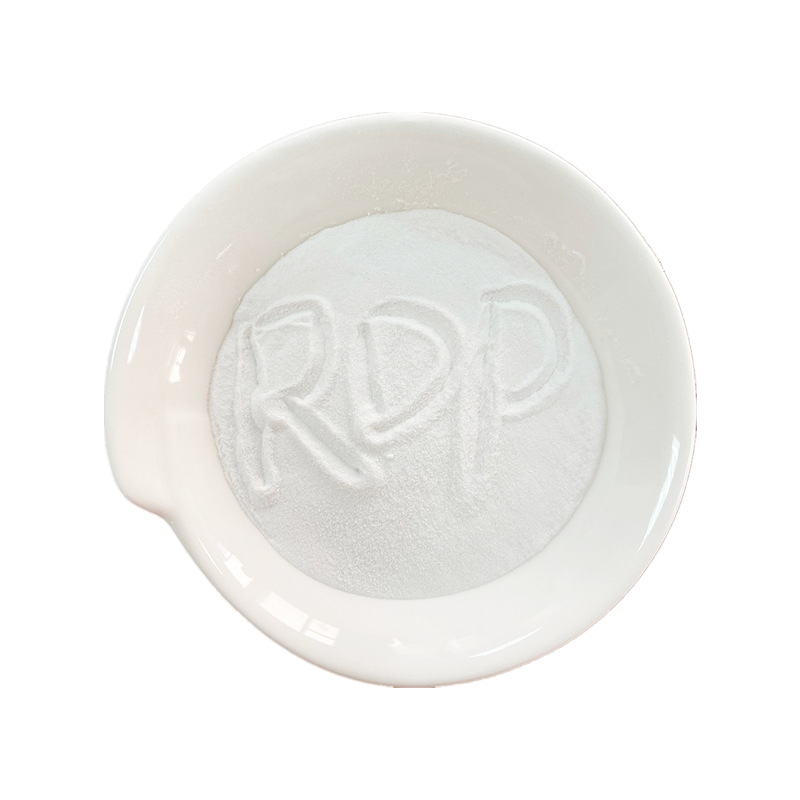
Redispersible polymer powder is typically a white or off-white free-flowing powder with a bulk density of approximately 300–500 g/L and a particle size generally ranging from 10 to 250 μm. Its core component is polymer resin, and common types include:
Vinyl Acetate-Ethylene copolymer (VAE): The most commonly used type, offering good flexibility and moderate water resistance.
Vinyl Acetate-Vinyl Ester of Versatic Acid copolymer (VA/VeoVa): Better water and alkali resistance.
Acrylics: Good weather and UV resistance, suitable for exterior use.
Styrene-Acrylate copolymer (SA): Lower cost, high bond strength.
Vinyl Acetate-Vinyl Ester of Versatic Acid-Acrylate terpolymer: Excellent overall performance.
Key properties of redispersible polymer powder include:
Redispersibility: The ability to rapidly re-disperse in water to form a stable dispersion similar to the original emulsion – a core performance indicator.
Film-forming ability: After water evaporation, polymer particles fuse to form a continuous, flexible film that reinforces the mortar.
Glass transition temperature (Tg): Determines the hardness/softness of the polymer film. Powders with lower Tg (e.g., -10°C to 10°C) provide better flexibility for flexible mortars; those with higher Tg (e.g., 15–30°C) provide higher bond strength and stain resistance.
Minimum film-forming temperature (MFT): Typically 0–5°C. Below this temperature, the polymer cannot form a continuous film.
Water resistance: The water-whitening resistance after film formation varies significantly among different types of polymer powders.
The production of redispersible polymer powder uses polymer emulsion as the raw material, with spray drying as the main process.
Production steps:
Emulsion polymerization: Using water as the medium, vinyl monomers (such as vinyl acetate, ethylene, acrylates, etc.) are copolymerized in the presence of emulsifiers and initiators to obtain a stable polymer emulsion with a solid content of about 50%.
Addition of protective colloid: Protective colloids such as polyvinyl alcohol (PVA) are added to the emulsion to prevent irreversible aggregation of particles during spray drying and to improve the redispersibility of the powder.
Spray drying: The prepared emulsion is atomized into a drying tower, where it contacts hot air. The water evaporates rapidly, forming fine spherical powder particles. The inlet air temperature is typically controlled at 120–180°C, and the outlet air temperature at 60–90°C.
Cooling and collection: The dried powder is collected via cyclone separation and bag filtration, then cooled, sieved, and packaged.
The hot air temperature and residence time during spray drying must be precisely controlled to avoid thermal degradation of the polymer or failure of the protective colloid.
In dry-mix mortars, redispersible polymer powder mainly performs the following functions:
1. Improving bond strength: The polymer film forms a "bridge" at the interface between the mortar and the substrate, significantly enhancing the adhesion of the mortar to concrete, masonry blocks, tiles, insulation boards, and other materials.
2. Enhancing flexibility: The polymer film has good elasticity, absorbing and dissipating stress, reducing cracking caused by temperature changes, drying shrinkage, or substrate deformation. Increased flexibility also makes the mortar suitable for flexible substrates such as lightweight boards and gypsum boards.
3. Increasing cohesive strength: The polymer film is uniformly distributed inside the mortar, strengthening the bonds between powder particles and improving the flexural strength and impact resistance of the mortar.
4. Improving water resistance: The polymer film seals the capillary pores inside the mortar, reducing water absorption and improving impermeability and freeze-thaw resistance. This is particularly important for exterior applications and construction in humid environments.
5. Increasing abrasion resistance: The polymer film increases the surface hardness and density of the mortar, extending the service life of floors, pavements, and other products.
6. Improving workability: Appropriate addition of redispersible polymer powder can improve the water retention and thixotropy of the mortar, making troweling smoother and preventing sticking.
1. Tile adhesives (most typical application)
Tile adhesives require high bond strength, slip resistance, and open time. RDP works synergistically with cellulose ethers to provide high bond strength and flexibility, accommodating thermal expansion differences between tiles and the substrate. The recommended dosage is generally 1.5%–3.5% of the total dry powder weight. VAE polymer powder is used for standard types, while acrylic or high-flexibility polymer powder is recommended for large-format tiles or vitrified tiles.
2. Bonding and rendering mortars for External Thermal Insulation Systems (ETICS)
In bonding EPS/XPS boards, RDP provides secure adhesion to the insulation boards. In rendering mortars, it provides impact resistance and crack resistance while maintaining the vapor permeability of the system. Typical dosage: 1.5%–3.0%.
3. Self-leveling compounds
Self-leveling compounds require high flowability and low shrinkage. RDP enhances the flexibility of the mortar, improves bond strength to the substrate, and reduces the risk of cracking. Low-Tg (high flexibility) VAE or acrylic polymer powders are typically selected, with a dosage of 1.0%–2.5%.
4. Repair and strengthening mortars
For concrete structure repair, high bond strength, low shrinkage, and durability are required. RDP significantly improves the bond strength at the interface between old and new concrete and enhances resistance to carbonation and chloride ion penetration. Dosage: 2.0%–5.0%.
5. Waterproofing mortars
After film formation, RDP provides good hydrophobic effects. Combined with water repellents, it can be used to produce polymer-modified waterproof coatings or mortars for bathrooms, basements, pools, and other areas. Recommended dosage: 3.0%–6.0%.
6. Putties (interior/exterior)
Adding RDP to exterior putties improves bond strength and water-whitening resistance, preventing dusting and cracking. For interior putties, it can be added as needed to enhance surface strength after sanding. Dosage: 0.5%–1.5%.
7. Gypsum-based products
In gypsum plasters and gypsum putties, RDP improves flexibility and surface strength, reducing dusting. As gypsum is neutral, RDP compatibility is good.
1. Select polymer powder type based on application
High bond strength requirements (tile adhesives, bonding mortars): Choose VAE or acrylic types.
High flexibility requirements (insulation rendering, repair mortars): Choose low-Tg VAE.
High water resistance requirements (waterproofing mortars, exterior use): Choose VA/VeoVa or acrylic types.
Economical general applications: VAE or styrene-acrylate types.
2. Dosage determination
The dosage of polymer powder should be determined based on performance requirements and cost considerations. Too low (<0.5%) gives insufficient effect; too high (>5%) may increase tackiness, affect workability, and significantly increase cost. It is recommended to determine the optimal dosage through testing.
3. Compatibility with other additives
Polymer powder has good compatibility with cellulose ethers, starch ethers, water reducers, accelerators, etc. However, some ionic additives may affect redispersion stability.
4. Storage conditions
Polymer powder is hygroscopic and should be stored in a dry, cool, well-ventilated place, protected from moisture and caking. The packaging should be sealed promptly after opening. The shelf life is generally 12 months.
5. Construction temperature
The ambient temperature during construction should be higher than the minimum film-forming temperature of the polymer powder (typically above 5°C); otherwise, the polymer cannot form a film and the reinforcing effect will not be achieved.
As a high-performance polymer additive, redispersible polymer powder, with its excellent bond enhancement, flexibility improvement, waterproofing, and durability enhancement functions, has become an indispensable core material in modern dry-mix mortar systems. From tile adhesives to external thermal insulation systems, from self-leveling compounds to repair mortars, the application of RDP has greatly expanded the performance boundaries of dry-mix mortars and promoted the development of construction industrialization and green building materials. Reasonable selection of the type and dosage of polymer powder, along with attention to compatibility with other additives, is key to preparing high-performance dry-mix mortars. With the further advancement of building energy efficiency and prefabricated construction, the market demand for redispersible polymer powder will continue to grow, and its application fields will further expand.
 Redispersible Polymer Powder: A Comprehensive Analysis of Properties, Applications, and Selection
 Redispersible Polymer Powder in Mortar Applications
 Redispersible Polymer Powder: The Core Functional Additive for Modern Dry-Mix Mortars
 Application Technology Series: How Does Redispersible Polymer Powder Precisely Empower Dry-Mix Morta