
After understanding the fundamentals of redispersible polymer powder (RDP), we can't help but ask: How exactly does it “work its magic” in different types of dry-mix mortars? And how do we select the appropriate polymer powder for various application scenarios? This article will delve into its application technologies to address these questions.
I. Applications and Functions in Different Products
Ceramic Tile Adhesives
Core Function: Provides exceptional bonding strength (especially after water immersion and thermal aging), flexibility, and slip resistance.
Selection Recommendations: Typically, VAE-based latex powders are chosen. For large-format stone, porcelain tiles, or external environments, high-performance VAE or acrylic latex powders are recommended to deliver superior flexibility and durability.
Dosage Reference: Typically 1.5%–4.0% of total dry powder weight.
External Thermal Insulation Composite Systems (ETICS)
Bonding Mortar: Ensures robust adhesion to insulation substrates like expanded polystyrene (EPS) or rock wool boards, requiring excellent initial tack and flexibility.
Rendering Mortar: Encases and protects alkali-resistant mesh, forming an impact-resistant, crack-resistant protective layer while demanding exceptional weather resistance, water resistance, and vapor permeability.
Selection Recommendations: VAE and pure acrylic latex powders are preferred, offering an optimal balance of bonding strength, flexibility, and durability.
Putty & Fillers
Interior Putty: Enhances sandability, workability, and crack resistance while minimizing powdering. VAE-based latex powders offer a cost-effective solution.
Exterior Putty: Demands exceptional bonding strength, water resistance, thermal stability, and crack resistance. Must utilize weather-resistant VAE or acrylic latex powders.
Dosage Reference: Interior putty ~1.0%–2.5%, exterior putty ~2.5%–5.0%.
Self-Leveling Compounds
Core Function: Reduces shrinkage cracking, enhances substrate bond strength and surface abrasion resistance while improving flowability.
Selection Recommendations: Select latex powders with good compatibility with chemical additives like water reducers, typically specific VAE grades.
Repair Mortars and Waterproof Mortars
Core Function: Provide excellent water resistance, density, and adhesion/compatibility with existing concrete substrates.
Selection Recommendations: Acrylic latex powders are commonly used in these high-performance products due to their exceptional water resistance and durability.
II. Key Selection Factors and Considerations
Glass Transition Temperature (Tg): This is the core technical parameter for selecting latex powder. Low-Tg latex powders form softer, more flexible films but may exhibit tackiness; high-Tg powders form harder, more abrasion-resistant films but may be brittle. Select the appropriate Tg value based on the required flexibility for the product.
Minimum Film-forming Temperature (MFT): Ensures the latex powder can form a continuous film at the construction environment temperature. Application below MFT prevents polymer film formation, causing a sharp decline in performance.
Protective Colloid Type: Typically polyvinyl alcohol (PVA). Its type and dosage affect the latex powder's redispersibility, the mortar's thickening effect, and water resistance.
Compatibility with Other Additives: The powder must synergize well with additives like cellulose ethers, water reducers, and water repellents to avoid mutual adverse effects.
Dosage: Higher is not necessarily better. Excessive dosage introduces too many air bubbles, compromising mortar strength and density. Optimal dosage for cost-effectiveness must be determined experimentally.
III. Development Trends
Future advancements in redispersible polymer powder technology will focus on:
Green Sustainability: Developing lower-VOC, bio-based, or even biodegradable polymer types.
Functional Diversification: Creating specialty powders with multiple functions (e.g., water repellency, early strength).
High Performance: Creating more weather-resistant products for extreme climates or specialized applications (e.g., high temperatures, high humidity, extreme cold).
The application of redispersible polymer powder is both a science and an art. Precise selection and application can effectively address various challenges in construction projects, enhancing building quality and longevity. For mortar manufacturers and engineers, deeply understanding its synergistic effects within technical systems is key to developing high-performance, competitive products.
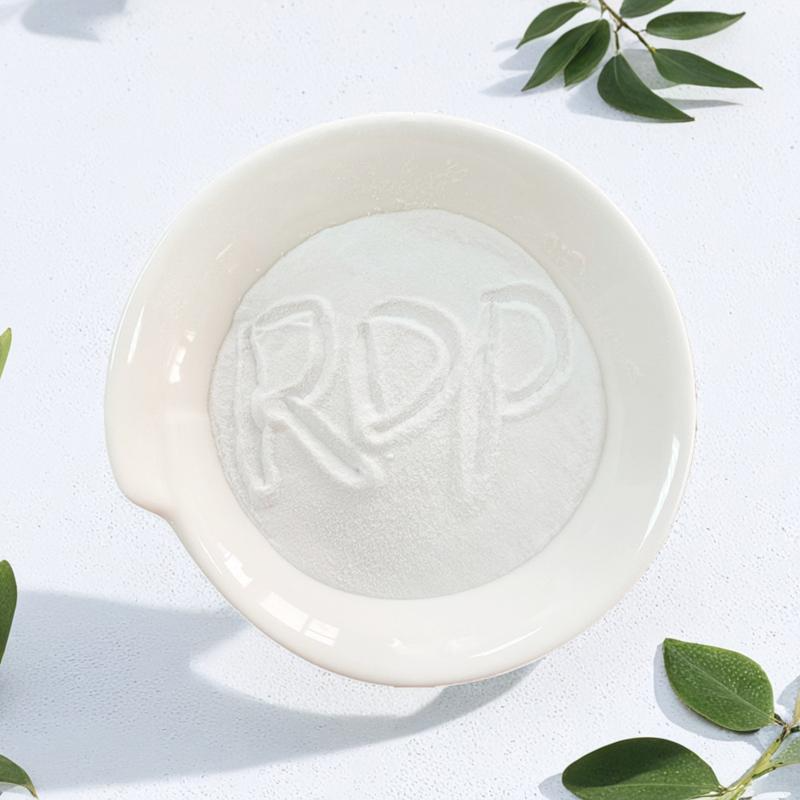 Redispersible Polymer Powder: A Comprehensive Analysis of Properties, Applications, and Selection
 Redispersible Polymer Powder in Mortar Applications
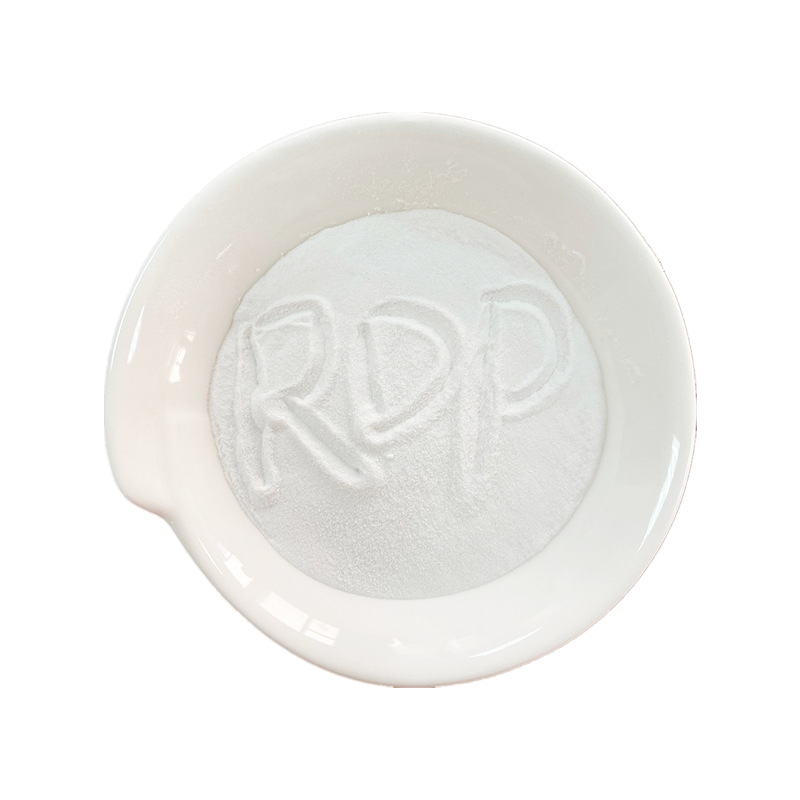 Redispersible Polymer Powder: The Core Functional Additive for Modern Dry-Mix Mortars
 Application Technology Series: How Does Redispersible Polymer Powder Precisely Empower Dry-Mix Morta