
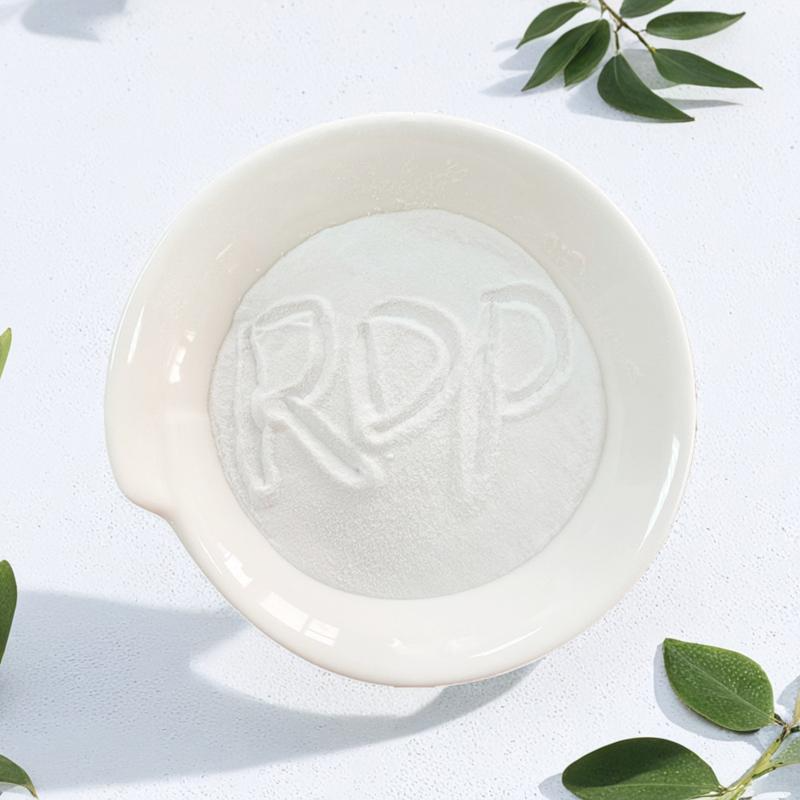
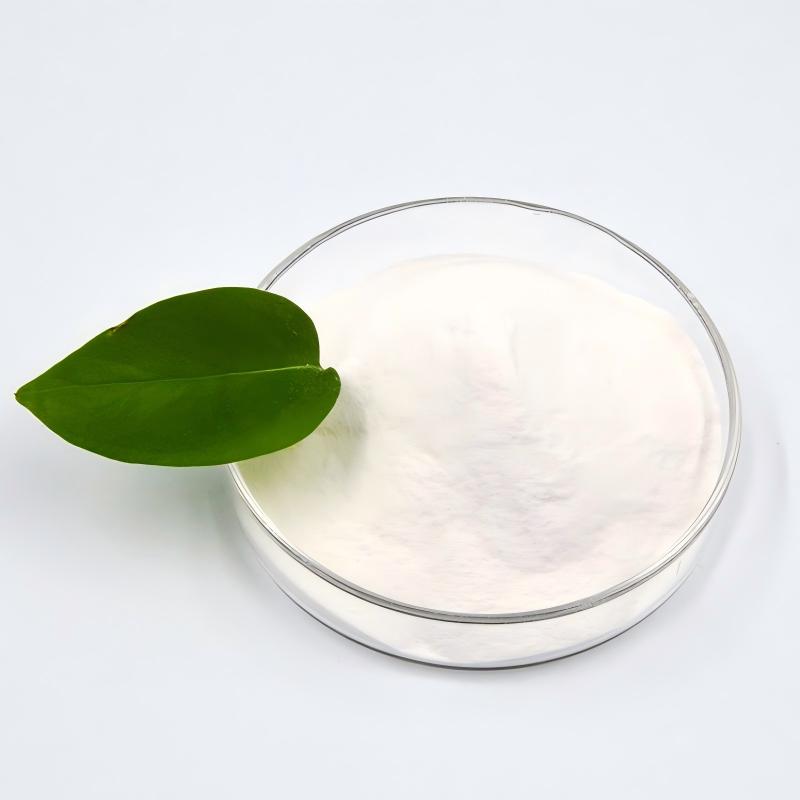
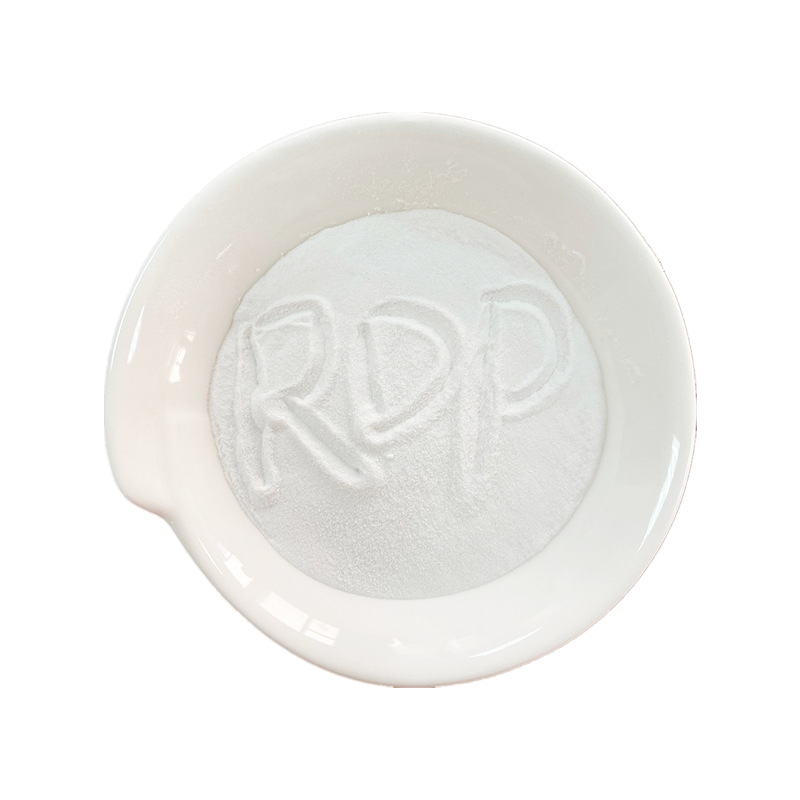
Redispersible Polymer Powder is a powder-form, water-soluble redispersible powder produced by spray-drying polymer emulsions. It typically uses polyvinyl alcohol as a protective colloid and can rapidly re-disperse into a stable emulsion upon contact with water, with chemical properties identical to the original emulsion. Common polymer types include Vinyl Acetate-Ethylene copolymer powder (Vac/E), Vinyl Acetate-Vinyl Versatate copolymer powder (Vac/VeoVa), and acrylate copolymers.
Redispersible Polymer Powder is generally a white powder, with a multi-layered compositional structure:
Polymer Resin: Located in the core of the powder particles, it is the main functional component.
Internal Additives: Incorporated with the resin to modify its properties.
External Additives: Added to further enhance performance.
Protective Colloid: A hydrophilic material coating the particle surface, predominantly polyvinyl alcohol.
Anti-Caking Agent: Fine mineral fillers that prevent caking during storage and transport, ensuring good flowability.
Redispersible Polymer Powder exhibits outstanding bond strength, improves mortar flexibility, and provides extended open time. Its main performance features include:
Improved Workability: The lubricating effect between polymer powder particles allows mortar components to flow independently. The powder also entrains air, imparting compressibility to the mortar.
Enhanced Bond Strength and Cohesion: Upon film formation, it creates high tensile and bond strength on various substrates, playing a crucial role in adhering to organic materials (such as EPS and XPS boards) and smooth surfaces.
Improved Weather Resistance and Freeze-Thaw Stability: As a thermoplastic resin powder, it possesses good flexibility, enabling mortar to withstand external temperature changes and effectively prevent cracking caused by thermal variations.
Increased Hydrophobicity and Reduced Water Absorption: Forms a film within the pores and on the surface of the mortar, blocking water ingress and improving impermeability.
Enhanced Impact Resistance, Durability, and Abrasion Resistance: Powder particles fill the mortar pores, increasing density.
Increased Flexural and Tensile Strength: The polymer film formed between cement mortar particles and on the surface creates flexible connections, making the brittle cement mortar more elastic.
Redispersible Polymer Powder is widely used in modern dry-mix mortars:
Tile Adhesives: Improves bond strength to the substrate.
External Thermal Insulation Composite Systems (ETICS): Used in both adhesive and base coat mortars, providing reliable bonding to insulation materials like EPS and rock wool.
Tile Grouts: Enhances water resistance and workability.
Self-Leveling Underlayments (SLU): Improves flow properties and final strength.
Flexible Putties for Interior and Exterior Walls: Enhances flexibility and crack resistance.
Flexible Crack-Resistant Mortars: Increases impact resistance and controls shrinkage cracking.
Thermal Insulation Mortars with EPS Beads: Improves insulation performance and bond strength.
Repair Mortars: Used for concrete crack repair, tunnel lining patching, etc.
| Property | Typical Value |
|---|---|
| Appearance | White powder, free-flowing |
| Solid Content | ≥98.0% |
| Ash Content | 10±2% |
| Bulk Density | 300-500 g/L |
| Protective Colloid | Polyvinyl Alcohol |
Store in a cool, dry place. Recommended shelf life is six months. It is advisable to use the product as early as possible during the summer. Storage in high-temperature, high-humidity environments increases the risk of caking. After opening a bag, use the entire contents if possible; otherwise, reseal the bag tightly to prevent moisture absorption from the air. Avoid prolonged exposure of paper bags to high pressure to prevent caking.
 Redispersible Polymer Powder: A Comprehensive Analysis of Properties, Applications, and Selection
 Redispersible Polymer Powder in Mortar Applications
 Redispersible Polymer Powder: The Core Functional Additive for Modern Dry-Mix Mortars
 Application Technology Series: How Does Redispersible Polymer Powder Precisely Empower Dry-Mix Morta