
In the world of dry-mix mortar, there exists a seemingly unassuming yet critically important white powder hailed as the “secret weapon” and “invisible guardian” of modern construction chemistry—redispersible polymer powder (RDP). It significantly enhances the performance of traditional cement and gypsum-based materials, driving revolutionary advancements in the ready-mixed dry-mix mortar industry.
I. What is Redispersible Polymer Powder?
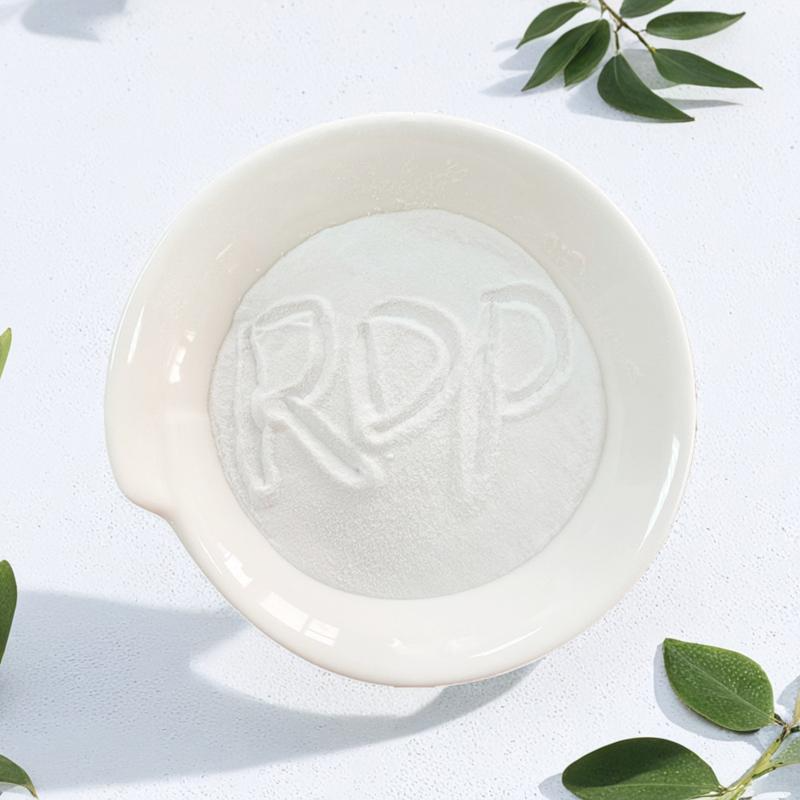
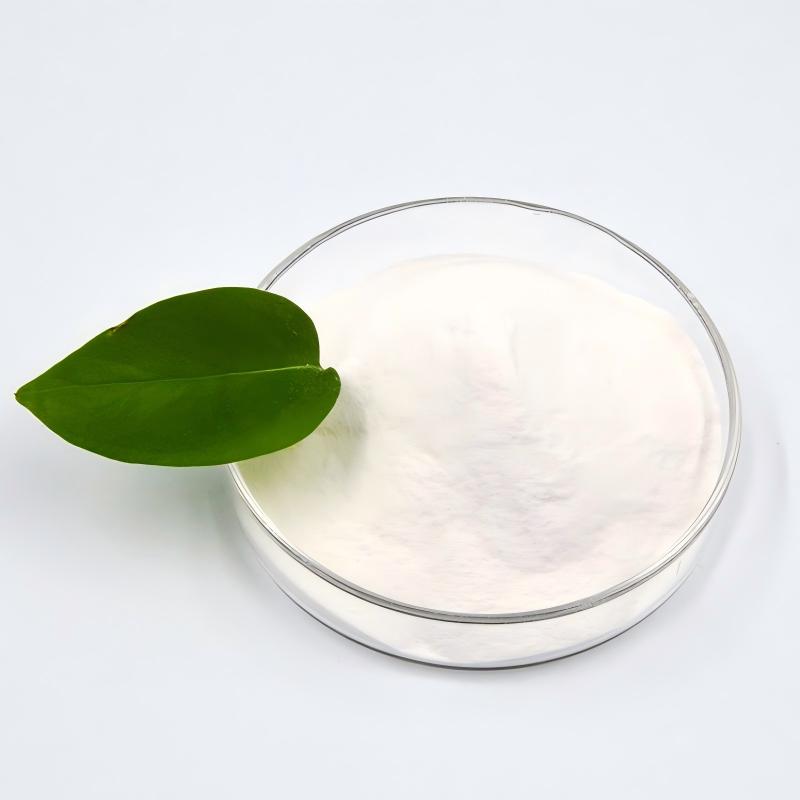
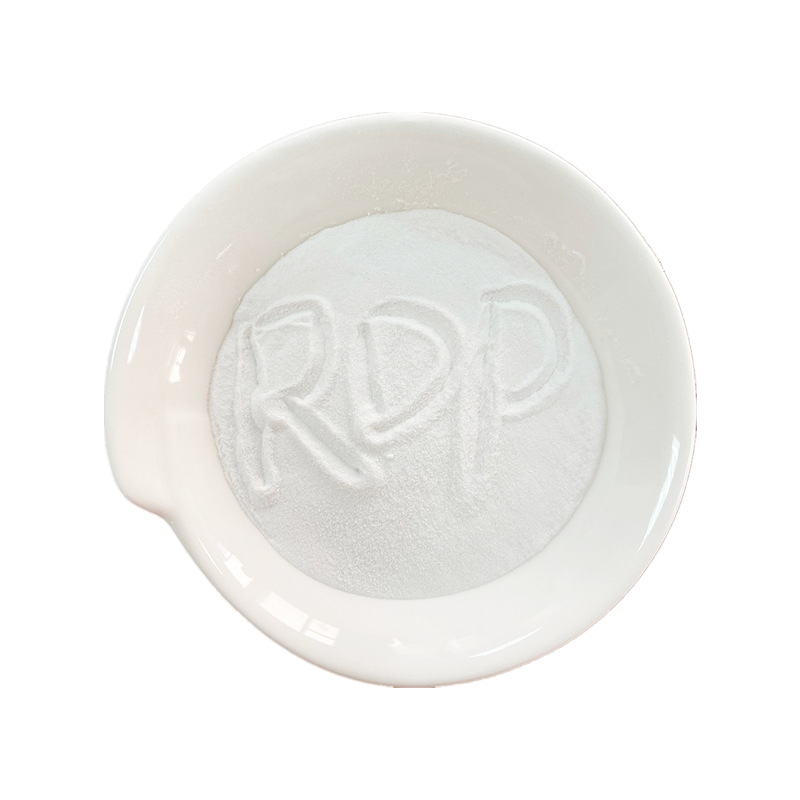
Redispersible polymer powder is a powdered resin produced by spray-drying high-molecular-weight polymer emulsions. The production process involves mixing specific polymer emulsions (such as vinyl acetate-ethylene copolymer VAE, acrylic esters, etc.) with additives like protective colloids and anti-caking agents. The mixture is then pumped under high pressure into a spray drying tower, where it undergoes instantaneous dehydration and drying in hot air, forming a free-flowing powder.
Its most remarkable property is “redispersibility”: upon contact with water, this powder re-emulsifies and disperses into a stable emulsion with chemical properties nearly identical to the original emulsion. This characteristic facilitates transportation and storage in dry powder form while enabling the polymer emulsion's superior performance to be fully realized during use.
II. Core Chemical Composition and Types
Common redispersible polymer powders are primarily based on the following polymer categories:
Vinyl Acetate-Ethylene Copolymer (VAE): The most common and versatile type. The incorporation of ethylene enhances its internal plasticizing effect, resulting in more flexible film formation and superior water resistance and alkali resistance. Widely used in tile adhesives, rendering mortars, and putties.
Acrylic-based: Offers exceptional water resistance, weatherability, and UV resistance with outstanding flexibility. Commonly used in high-performance external wall insulation systems, waterproof mortars, and flexible tile adhesives.
Styrene-Acrylic Copolymer: Offers high cost-effectiveness and good water resistance, though with slightly weaker UV resistance. Primarily used in interior products or underground applications.
Polyvinyl Acetate Homopolymer (PVAc): Exhibits poor water resistance and is prone to saponification. It is now gradually being replaced by superior copolymers.
III. Primary Mechanisms and Functions
Redispersible polymer powder primarily functions in mortar through the following mechanisms:
Film-forming action: When mortar is mixed with water, the polymer powder redisperses into an emulsion. During mortar setting and drying, polymer particles form a continuous polymer film within the mortar pores and on its surface, firmly bonding cement hydration products, aggregates, and other components.
Enhanced Cohesion: The polymer film acts like microscopic “bandages” permeating the entire mortar matrix, significantly boosting cohesive strength.
Improved Bond Strength: The polymer film exhibits excellent adhesion and bonding to various substrates (e.g., concrete, masonry, wood, EPS boards), markedly enhancing mortar adhesion.
Improved Flexibility and Crack Resistance: The elastic polymer film absorbs and disperses external stresses (e.g., thermal expansion/contraction, vibration, minor substrate deformation), thereby reducing cracking risks.
Enhanced Workability: The air-entraining effect of latex powder improves mortar workability, water retention, and slip resistance, making application easier and achieving smoother finishes.
Though added in modest quantities, redispersible polymer powder serves as the pivotal component elevating dry-mix mortar performance. From kitchen and bathroom tiles to building exterior insulation systems, and even smooth wall putty finishes—this “invisible guardian” quietly underpins it all. Understanding it is the essential first step toward grasping modern high-performance mortars.
 Redispersible Polymer Powder: A Comprehensive Analysis of Properties, Applications, and Selection
 Redispersible Polymer Powder in Mortar Applications
 Redispersible Polymer Powder: The Core Functional Additive for Modern Dry-Mix Mortars
 Application Technology Series: How Does Redispersible Polymer Powder Precisely Empower Dry-Mix Morta