

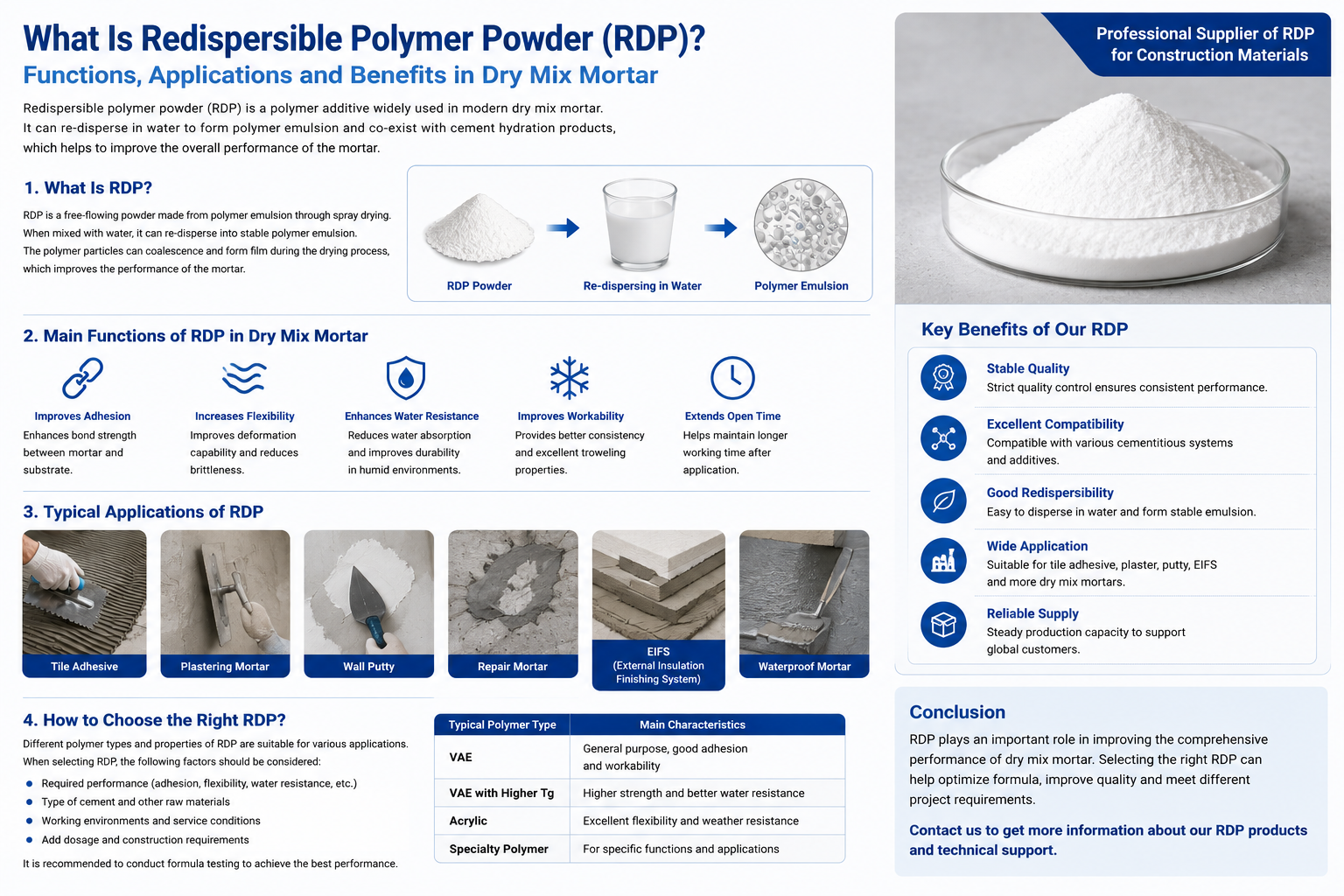
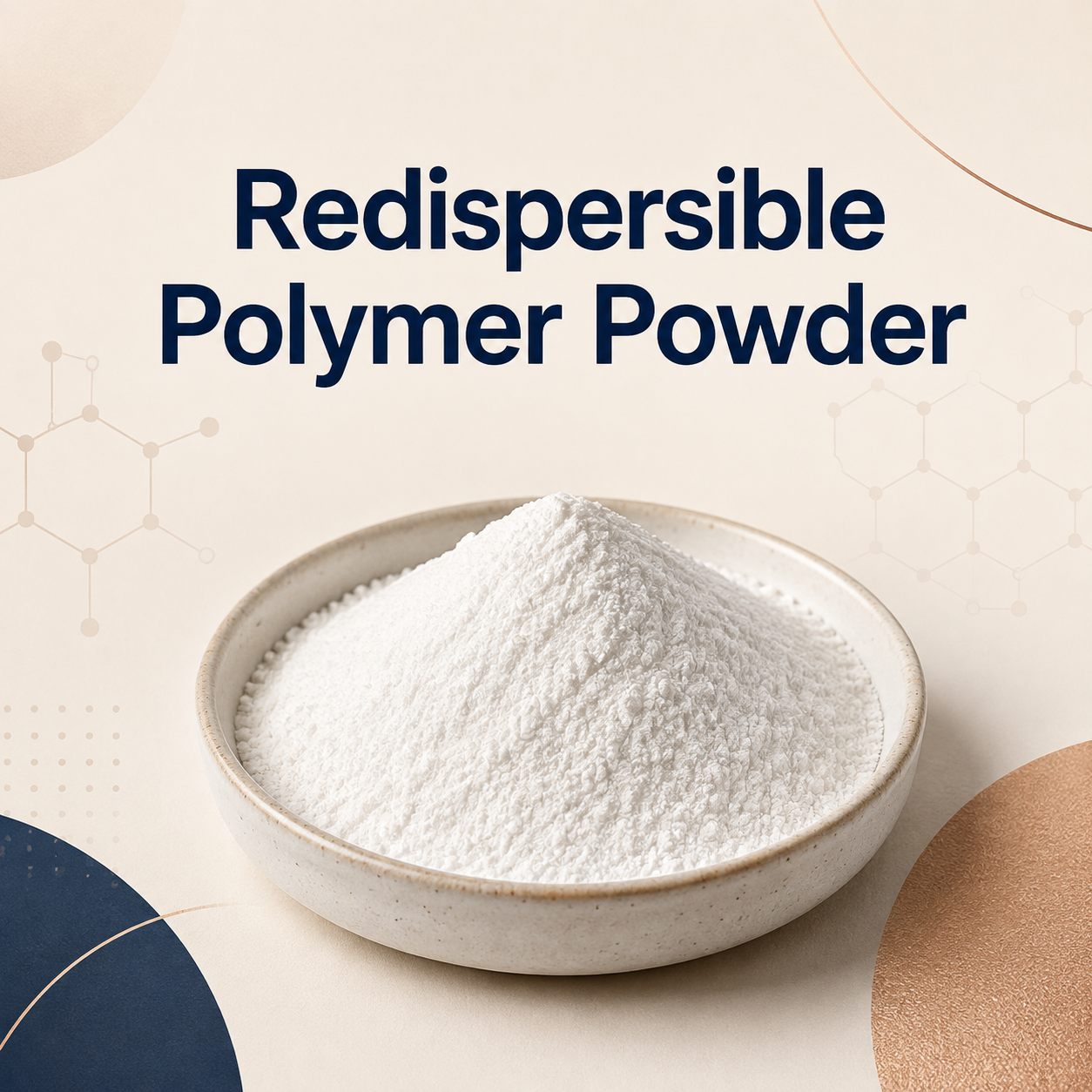
Redispersible Polymer Powder (RDP) is a polymer powder used in various dry-mix construction materials.
It is commonly produced from a polymer dispersion through a drying process that converts the liquid dispersion into a free-flowing powder.
One of its important characteristics is its ability to redisperse after contact with water.
This makes it possible to incorporate the polymer directly into factory-produced dry mortar.
At the construction site, water is added to the dry mix and the polymer powder redisperses as the mortar is mixed.
RDP is therefore commonly considered in formulations such as:
tile adhesive;
EIFS/ETICS mortars;
plastering and rendering mortar;
repair mortar;
wall putty;
waterproofing-related cementitious mortar;
other polymer-modified dry mixes.
However, different RDP grades can have different polymer compositions and application characteristics.
A typical dry mortar formulation may contain:
cement + aggregates + mineral fillers + RDP + cellulose ether + other additives.
All components are blended in dry form.
After water is added, several processes begin simultaneously.
The cement starts to hydrate, while RDP particles redisperse in the aqueous phase.
As the mortar subsequently loses water through hydration, evaporation and substrate absorption, the polymer particles come into closer contact.
Under suitable conditions, they can contribute to the formation of a polymer phase within the cementitious matrix.
This is why RDP is generally described as a polymer modification component, rather than simply as another mineral powder.
The basic process can be understood in several stages.
Before water is added, RDP exists as powder particles distributed throughout the dry mortar.
During mixing with water, the powder redistributes into the aqueous phase.
At the same time, cement reacts with water and hydration products begin to develop.
As water is consumed or removed from the mortar, polymer particles move closer together.
Depending on polymer characteristics and curing conditions, the particles can contribute to a polymer phase within the hardened mortar structure.
The final material therefore contains both:
cement hydration products + polymer components.
This combined structure is an important feature of polymer-modified cement mortar.
The exact effect depends on the RDP grade, dosage and complete formulation.
In general, RDP is considered where formulators need to modify properties associated with:
adhesion;
cohesion;
flexibility;
deformation behavior;
water-related performance;
durability-related characteristics;
application performance.
However, these effects should not be interpreted as fixed values.
The same RDP can behave differently when the:
cement changes;
dosage changes;
water content changes;
aggregate grading changes;
cellulose ether changes;
curing conditions change.
Application testing is therefore important.
Adhesion is one of the main reasons RDP is used in products such as tile adhesives and thermal insulation system mortars.
Traditional cement mortar relies mainly on the inorganic cementitious structure.
When an appropriate polymer powder is incorporated, the resulting polymer phase can influence both the internal mortar structure and the interface between the mortar and substrate.
The final bond performance still depends on several factors:
polymer type;
RDP dosage;
cement composition;
substrate;
water-to-binder ratio;
curing;
application method.
Therefore, it is not technically appropriate to assign one universal percentage of bond-strength improvement to RDP.
Cementitious materials are generally relatively rigid.
Polymers have different mechanical characteristics from cement hydration products.
Introducing an appropriate polymer component can therefore change the deformation behavior of the mortar.
This is relevant to applications where the mortar may need to accommodate certain stresses or movements.
Examples can include:
tile adhesives;
EIFS/ETICS base coats;
repair mortars;
certain waterproofing-related mortars.
The required polymer characteristics depend on the application.
Some RDP grades can be used in formulations where water-related performance is an important consideration.
However, this statement needs to be interpreted carefully.
The water resistance of a cementitious mortar depends on the complete system, including:
cement;
polymer;
water-to-cement ratio;
fillers;
hydrophobic components;
porosity;
curing conditions.
Therefore:
Adding RDP does not automatically turn a mortar into a waterproof material.
Water absorption, water resistance and waterproofing performance should be evaluated according to the requirements and test methods applicable to the finished product.
Tile adhesive is one of the common applications of redispersible polymer powder.
Modern tile installations may involve different:
tile sizes;
tile absorption rates;
substrates;
environmental conditions;
performance classifications.
RDP can be used as part of a polymer-modification system in cement-based tile adhesives.
Depending on the formulation, it can influence:
bond-related properties;
deformation characteristics;
cohesion;
water-related performance.
The appropriate RDP grade and dosage depend on the target tile adhesive.
External insulation systems contain multiple materials that need to work together.
Depending on system design, these can include:
insulation board;
adhesive mortar;
base coat;
reinforcing mesh;
finishing layers.
Mortars used in these systems may require a balance of adhesion, flexibility and durability-related characteristics.
RDP can be used as a polymer modification component in certain adhesive and base-coat formulations.
The finished system should still be evaluated according to its applicable technical requirements.
Repair mortars often need to interact with an existing substrate.
Depending on the repair application, formulators may consider:
bond performance;
shrinkage;
deformation;
mechanical properties;
environmental exposure.
RDP can be incorporated into dry repair mortar as one method of polymer modification.
However, repair mortar performance depends on the complete formulation and application procedure.
Wall putty formulations vary considerably between regions.
Some products are cement-based, while others use different binder systems.
Where polymer modification is required, an appropriate RDP can be considered.
The selection should be based on:
binder system;
indoor or outdoor use;
required adhesion;
flexibility;
water-related requirements;
application properties.
Not every wall putty requires the same RDP type or dosage.
RDP may also be used in certain cementitious waterproofing-related formulations.
Its role is generally associated with polymer modification.
However, waterproofing performance is not determined by RDP alone.
The complete formulation, layer thickness, substrate preparation, application procedure and curing conditions all matter.
For this reason, the finished waterproofing material should be tested according to the relevant requirements rather than judged only by polymer powder dosage.
VAE refers to Vinyl Acetate-Ethylene copolymer.
VAE-based products are commonly encountered in the redispersible polymer powder market for construction dry mixes.
The ratio and polymer design can influence characteristics such as:
flexibility;
glass transition behavior;
film formation;
compatibility with different mortar systems.
However, the term "VAE" alone does not mean that all VAE RDP products are identical.
Different grades can be designed for different application requirements.
No.
RDP products can differ in:
polymer chemistry;
polymer composition;
glass transition temperature;
protective colloid system;
ash content;
particle characteristics;
redispersion behavior;
application properties.
This is why two white RDP powders that look almost identical can behave differently in the same mortar.
Appearance alone is not sufficient for product selection.
Tg, or glass transition temperature, is one of the polymer characteristics that can help describe polymer behavior.
In simplified terms, it relates to the transition between more glass-like and more rubber-like polymer behavior.
Tg can therefore be relevant when considering the balance between:
stiffness;
flexibility;
deformation characteristics.
However, Tg should not be used as the only criterion for selecting RDP.
Two products with similar Tg values can still differ in polymer composition and mortar performance.
Not necessarily in every finished mortar.
Polymer Tg is relevant to flexibility, but the final mortar is a complex composite material.
Its behavior also depends on:
polymer dosage;
cement;
filler;
aggregate;
water content;
curing;
other additives.
Therefore, Tg is useful technical information, but application testing remains necessary.
There is no universal RDP dosage for all dry-mix products.
A tile adhesive, EIFS mortar, repair mortar and wall putty can require very different polymer levels.
Even within the same application category, dosage can vary according to the required performance class.
Factors affecting RDP dosage include:
application;
polymer type;
target performance;
cement content;
aggregate and filler composition;
cellulose ether;
water demand;
other additives.
The dosage should therefore be established through formulation testing.
No.
Increasing RDP increases the polymer content of the mortar, which can change several properties.
However:
More RDP does not mean that every mortar property will continue to improve.
Excessive polymer content may also change:
consistency;
water demand;
mechanical balance;
formulation economics.
The objective is to determine an appropriate dosage range for the required performance.
RDP and HPMC are frequently used together, but they are different materials.
| Item | RDP | HPMC |
|---|---|---|
| Material Type | Polymer powder | Cellulose ether |
| Main Function Direction | Polymer modification | Water retention and rheology |
| Adhesion/Flexibility | Important application direction | Not its primary function |
| Thickening | Not the main role | Important role |
| Water Retention | Not the main role | Important role |
| Direct Replacement | Generally no | Generally no |
This is why many tile adhesive formulations contain both.
A simplified way to understand their roles is:
HPMC → water retention + thickening + fresh mortar rheology
while:
RDP → polymer modification + adhesion/flexibility-related properties
The two materials therefore address different formulation requirements.
However, their effects are not completely independent.
Changing one component may also influence the behavior of the complete mortar.
Suppose two candidate products are being evaluated:
RDP-A and RDP-B.
A useful comparison should keep the basic formulation as consistent as possible.
Use the same:
cement;
sand;
fillers;
HPMC;
RDP dosage;
water;
mixing procedure;
curing conditions.
Then evaluate the properties relevant to the intended application.
This gives more useful information than comparing appearance or price alone.
Depending on the RDP product, technical documentation may include parameters such as:
appearance;
solids content;
ash content;
bulk density;
particle size;
Tg;
minimum film-forming temperature;
other product-specific properties.
The exact specification varies by product.
Technical data should be considered together with mortar application tests.
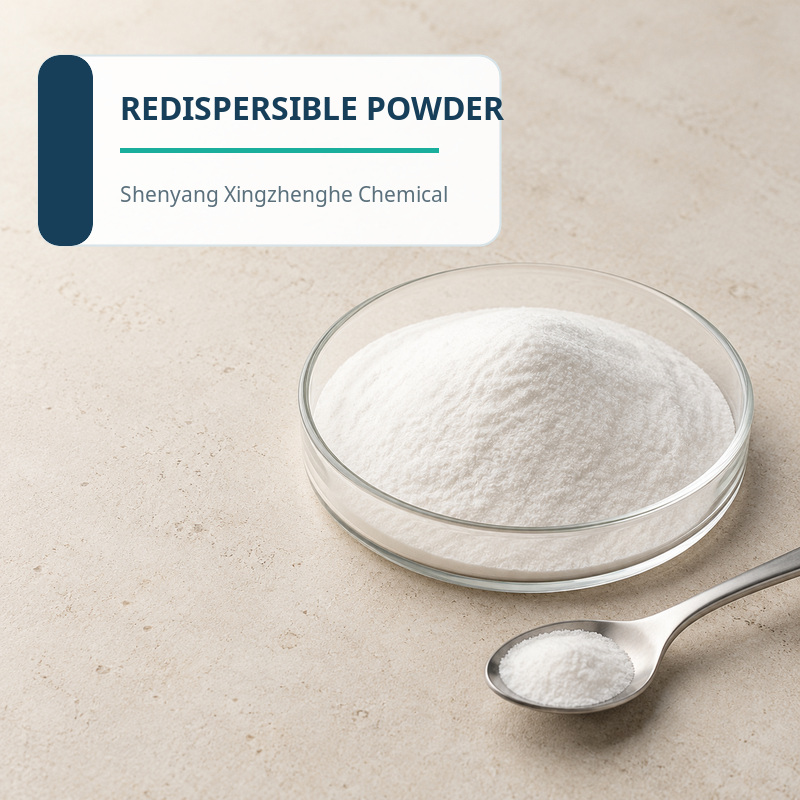
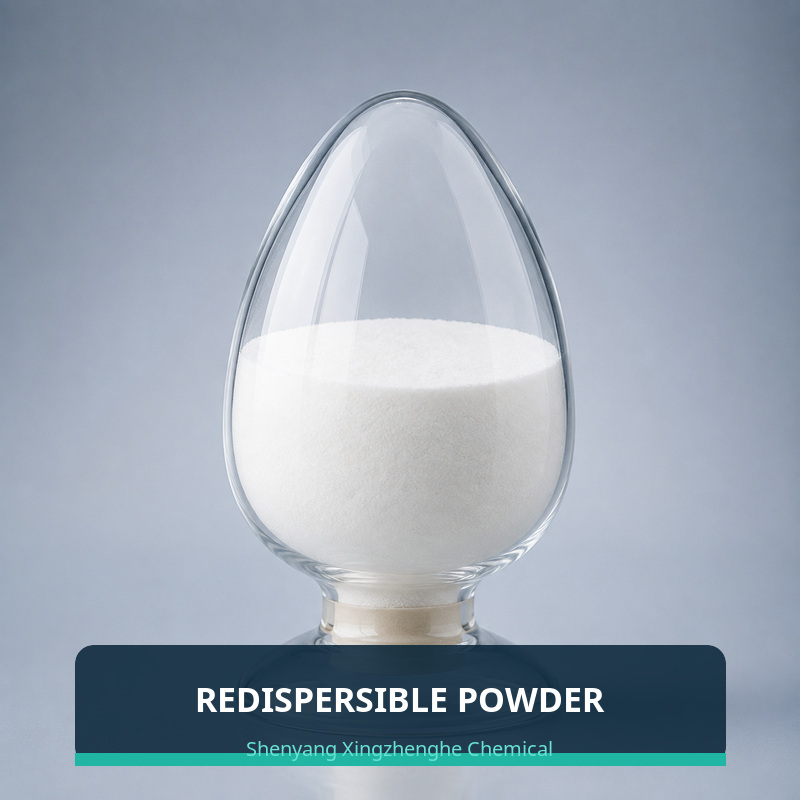
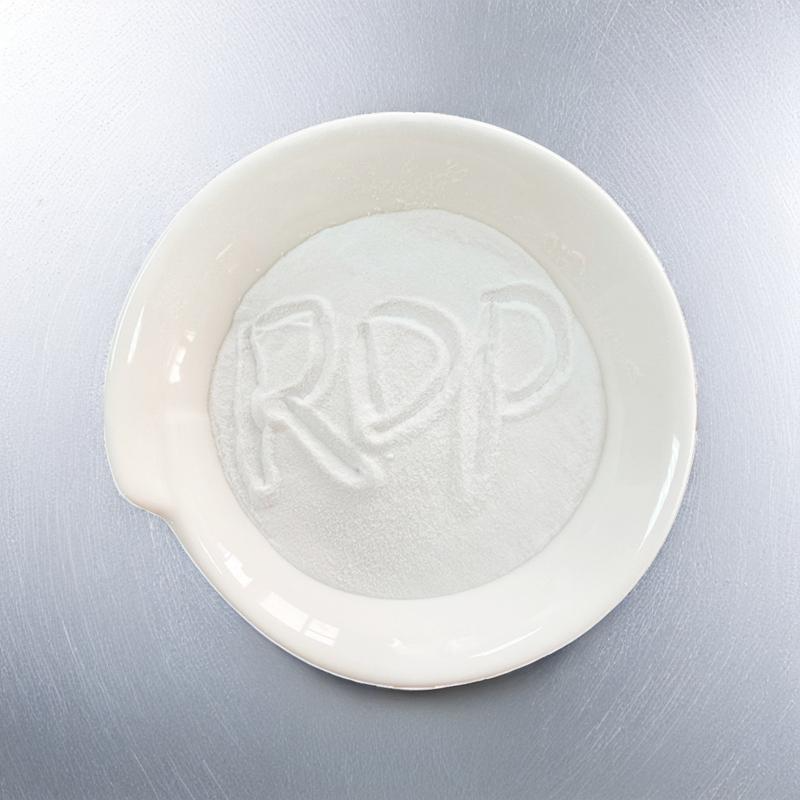
Most construction RDP products appear as white or off-white powders.
Visual similarity does not indicate identical polymer chemistry.
Differences may exist in:
polymer composition;
protective colloid;
Tg;
film-forming behavior;
redispersibility;
modification technology.
For this reason, photographs are useful for confirming physical appearance but not for determining application performance.
A practical selection process can be organized into several steps.
Is the RDP intended for:
tile adhesive;
EIFS/ETICS;
repair mortar;
wall putty;
waterproofing mortar;
another dry mix?
Determine which properties need to be adjusted.
For example:
adhesion;
flexibility;
deformation;
water-related performance.
Review the polymer type and relevant technical data.
Use formulation experience and technical evaluation as a starting point.
Compare candidates under the same conditions.
Adjust RDP dosage together with other components when necessary.
Evaluate the final mortar against the applicable product requirements.
RDP commonly stands for Redispersible Polymer Powder in the dry-mix mortar industry.
It is used as a polymer modification component in products such as tile adhesive, EIFS/ETICS mortar, repair mortar, wall putty and other dry-mix construction materials.
The powder redisperses into the aqueous phase. During drying and cement hydration, the polymer can contribute to a polymer phase within the mortar structure.
Not exactly. RDP describes a product category, while VAE refers to a vinyl acetate-ethylene copolymer system used in many RDP products.
RDP is commonly used in polymer-modified mortars where adhesion is an important performance requirement. The actual result depends on polymer type, dosage and formulation.
Not automatically. Waterproofing performance depends on the complete formulation and should be verified by appropriate testing.
There is no universal dosage. It depends on the application, polymer grade, formulation and target performance.
Not necessarily. Dosage should be optimized according to the required mortar properties.
RDP is a polymer powder primarily used for polymer modification, while HPMC is a cellulose ether commonly used for water retention, thickening and rheology control.
Redispersible Polymer Powder (RDP) should not be understood simply as a powder added to make cement mortar "stickier."
Its role is more accurately described as polymer modification of the cementitious system.
The overall process can be simplified as:
dry RDP powder → addition of water → redispersion → cement hydration → polymer particle interaction → polymer-modified mortar structure.
Its actual influence on adhesion, flexibility, deformation and water-related properties depends on:
polymer type + RDP dosage + cement + aggregates and fillers + HPMC and other additives + water + curing conditions.
For this reason, RDP selection should follow a practical sequence:
define the application → determine the required properties → select candidate RDP grades → conduct controlled mortar tests → optimize dosage → verify the finished product.
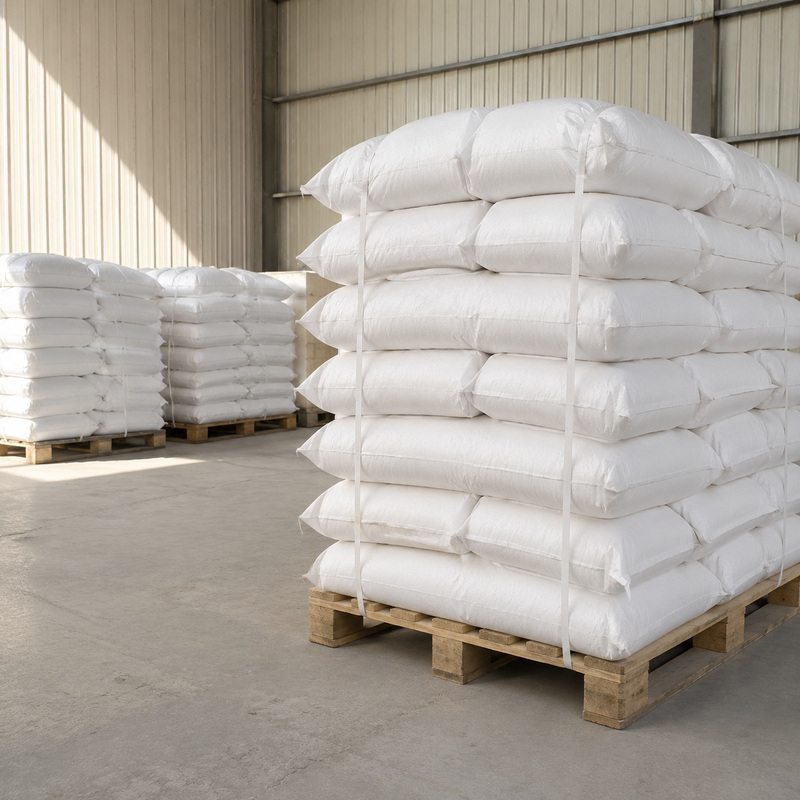 How to Compare RDP Samples Before Changing Suppliers
What Is Redispersible Polymer Powder (RDP)? How It Works in Dry Mix Mortar
How to Compare RDP Samples Before Changing Suppliers
What Is Redispersible Polymer Powder (RDP)? How It Works in Dry Mix Mortar
 How to Select Redispersible Polymer Powder for Tile Adhesive
 Redispersible Polymer Powder for ETICS Mortar: Performance and Selection Guide
