

Changing a redispersible polymer powder supplier may appear simple when two products have similar specifications.
A buyer may receive two technical data sheets showing similar values for:
Polymer type
Appearance
Solid content
Ash content
Moisture
Bulk density
Glass transition temperature
This can create an assumption:
“The specifications are similar, so the new RDP should be a direct replacement.”
In actual dry mix mortar formulations, this is not always the case.
Two redispersible polymer powders with similar technical data can behave differently in tile adhesive, repair mortar, insulation mortar and other polymer-modified cement systems.
For this reason, changing RDP suppliers should normally involve more than comparing technical data sheets and prices.
A controlled sample comparison can provide more useful information.
RDP is not used independently.
It becomes part of a formulation containing materials such as:
Cement
Sand
Mineral fillers
HPMC or other cellulose ethers
Starch ether
Other additives
Water during application
The performance of the finished mortar therefore depends on interactions among multiple components.
Even if a new RDP meets the required incoming specifications, its behavior in the existing formulation should still be evaluated.
The purpose of sample testing is not simply to decide whether one powder is “good” or “bad.”
A more useful question is:
Does this RDP fit the existing formulation and application requirements?
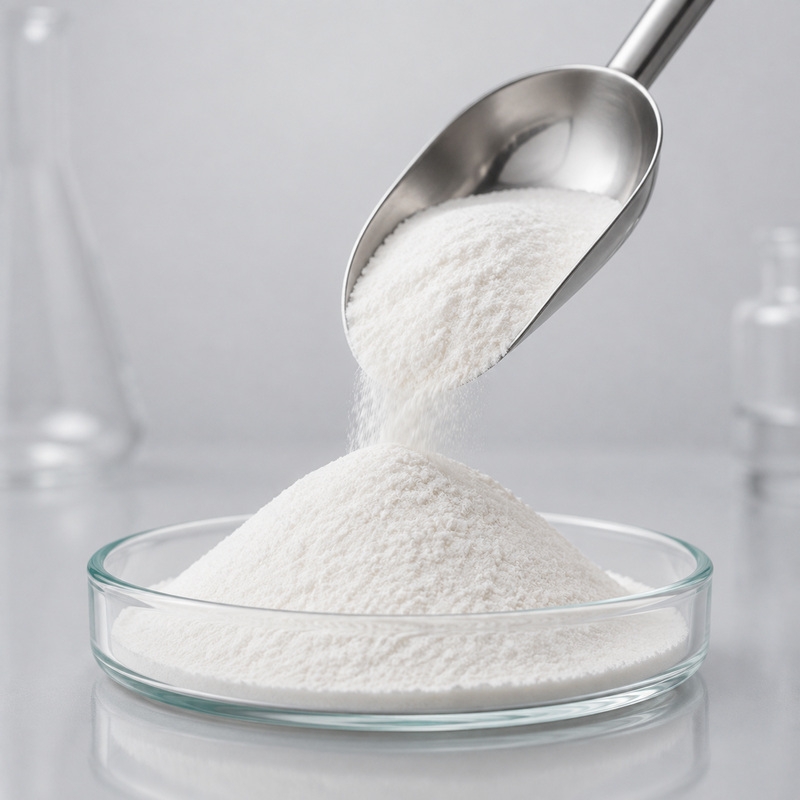
Before testing a new supplier, keep a sample of the currently used RDP as the reference.
A basic comparison may include:
Reference: Current RDP
Sample A: New Supplier A
Sample B: New Supplier B
The same mortar formulation should then be prepared using each sample.
This provides a practical benchmark.
Without the current product as a reference, it may be difficult to determine whether differences observed during testing are significant for the existing production system.
This is one of the most important rules when comparing RDP samples.
Suppose a dry mix mortar manufacturer changes:
RDP + HPMC + Cement + Sand
at the same time.
If the resulting mortar behaves differently, identifying the cause becomes difficult.
For an initial RDP comparison, try to keep the following unchanged:
Cement batch
Sand
Fillers
HPMC
Starch ether
Other additives
Mixing water
Mixing procedure
Test conditions
Change only the RDP.
This helps isolate the effect associated with the new polymer powder.
Before preparing mortar samples, review the technical information provided for each RDP.
Depending on the agreed product specification, relevant parameters may include:
Polymer base
Appearance
Nonvolatile matter
Ash content
Moisture
Bulk density
Glass transition temperature
Other agreed quality-control parameters
The exact specification depends on the RDP grade and intended application.
Technical data can help identify whether two products are broadly positioned for similar applications.
However, specification comparison should be treated as the first screening step, not the final replacement decision.
This is particularly important in RDP procurement.
Two products can have similar ash content and Tg values but still produce different results in mortar.
Possible reasons include differences in:
Polymer composition
Protective colloid system
Powder characteristics
Redispersion behavior
Interaction with cement
Interaction with cellulose ether
Formulation design
Therefore:
Similar TDS values ≠ Identical application behavior
A technical data sheet cannot completely reproduce the customer's actual dry mix mortar formulation.
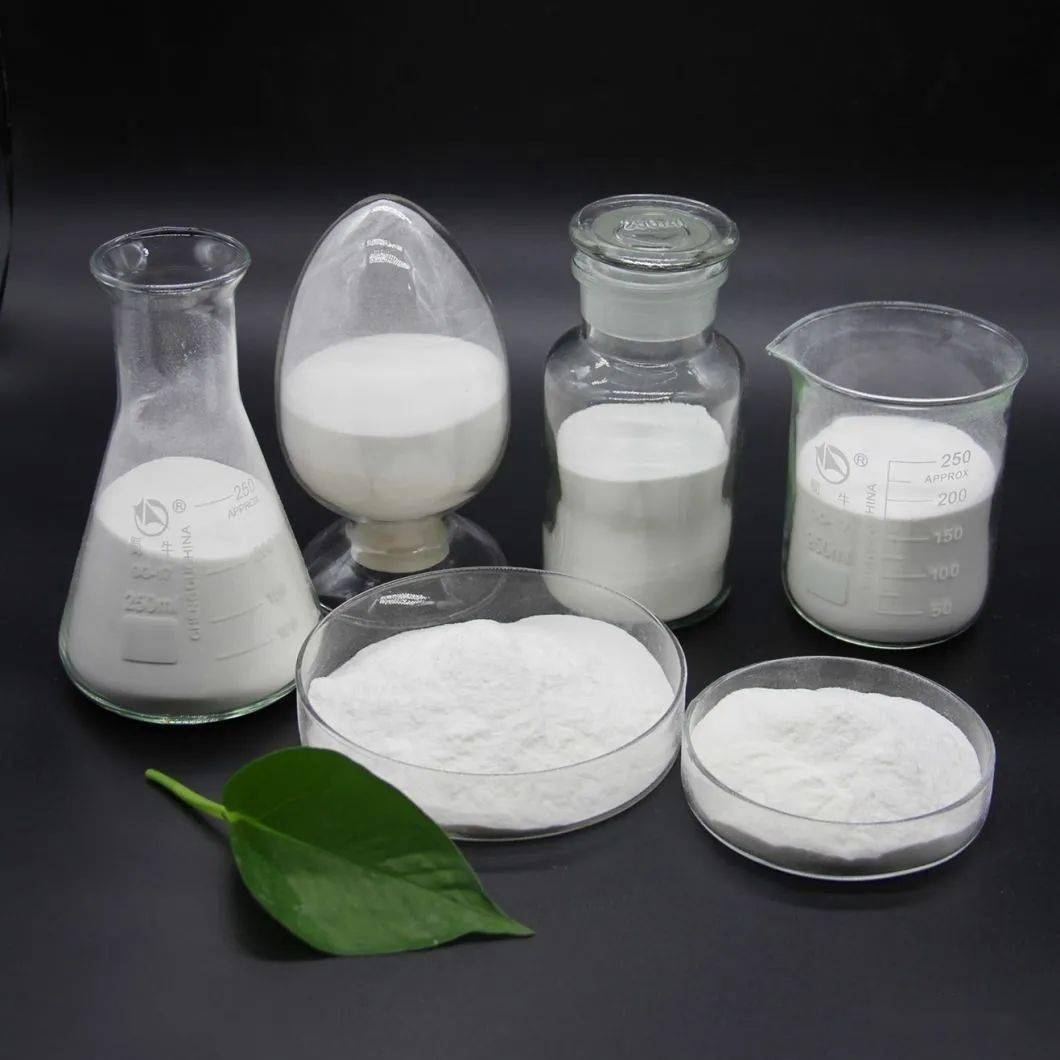
Before preparing the mortar, inspect the RDP sample itself.
Basic observations may include:
Powder appearance
Presence of visible lumps
Flow condition
Signs of moisture exposure
Packaging condition
These observations should not be used alone to judge application quality.
However, they can help identify whether the sample may have been affected by storage or transportation before testing.
If one sample has been stored under unsuitable conditions, comparing it directly with a properly stored reference may lead to misleading conclusions.
Redispersible polymer powder is designed to redisperse when mixed with water.
However, the behavior of different powders during contact with water may not be identical.
For laboratory evaluation, redispersion-related observations can provide additional information about the product.
The objective is not to judge an RDP only by how quickly it appears to disperse in a beaker.
The more important question is how the polymer powder behaves within the actual mortar system.
Therefore, simple water observations can be supplementary, while mortar testing remains important.
When testing a potential replacement, start by using the same dosage as the current RDP where technically appropriate.
For example:
Formula A: Existing formulation + Current RDP
Formula B: Existing formulation + New RDP A
Formula C: Existing formulation + New RDP B
Keep the RDP dosage unchanged.
This answers an important first question:
What happens if the current RDP is replaced directly under otherwise comparable conditions?
If differences appear, further dosage optimization can then be investigated.
Suppose Sample A produces a slightly different mortar consistency.
An operator may immediately add more or less water until the mortar “feels the same.”
This can make the comparison harder to interpret.
Water content itself influences mortar behavior.
Therefore, the first comparison should preferably use a controlled water addition.
Record the result.
After that, a separate test can investigate whether water demand should be adjusted for the new formulation.
This separates:
RDP effect
from
Water adjustment effect.
Depending on the application, fresh mortar testing may include observations such as:
Mixing behavior
Consistency
Workability
Trowel application
Mortar cohesion
Sag behavior
Open time
Water demand
Other application-specific properties
Not every test is required for every product.
For example, a tile adhesive manufacturer may focus on different fresh properties from a producer of repair mortar.
The test program should therefore match the intended application.
RDP is used as part of polymer-modified mortar systems, so evaluation should not stop with fresh mortar.
Depending on the product and applicable standard, cured mortar properties may also need to be evaluated.
Possible test items can include:
Adhesion-related properties
Flexibility-related behavior
Strength characteristics
Water exposure behavior
Other application-specific requirements
The appropriate tests depend on the intended mortar and relevant standard or internal quality-control method.
A sample that feels similar during application does not automatically produce identical properties after curing.
Tile adhesive illustrates why RDP replacement requires controlled testing.
A typical cement-based tile adhesive may contain:
Cement + Sand + Filler + RDP + HPMC + Other Additives
Changing the RDP can alter the balance of the formulation.
Depending on the system, the manufacturer may need to evaluate:
Fresh consistency
Trowel behavior
Open time
Sag resistance
Adhesion-related properties
Other required characteristics
Therefore, RDP should be evaluated as part of the complete tile adhesive formulation rather than as an isolated powder.
HPMC can significantly influence fresh mortar properties such as water retention, consistency and rheology.
If both HPMC and RDP are changed at the same time, differences become difficult to interpret.
For the first RDP supplier comparison:
Keep the existing HPMC.
After the RDP difference has been established, formulation optimization involving both components can be considered if necessary.
This is particularly useful when the purpose of testing is specifically to qualify a new RDP supplier.
Cement characteristics can vary between sources and batches.
Differences may affect:
Water demand
Hydration behavior
Setting
Interaction with additives
Fresh mortar behavior
Therefore, using Cement A for the existing RDP and Cement B for the new RDP introduces another variable.
Where possible, use the same cement batch for comparative sample testing.
Sand and fillers account for a substantial proportion of many dry mix formulations.
Changes in:
Particle-size distribution
Fine content
Mineral composition
Moisture
can influence mortar behavior.
If the purpose is to evaluate an RDP replacement, these raw materials should remain as consistent as practical.
Otherwise, a change caused by the aggregate system may incorrectly be attributed to the polymer powder.
Yes, after the initial equal-dosage comparison, a dosage gradient can provide additional information.
For example:
Reference Dosage
↓
Lower Level
↓
Medium Level
↓
Higher Level
The actual dosage levels should be selected according to the specific formulation and test objective.
There is no universal RDP dosage suitable for every dry mix mortar.
A dosage gradient helps show how the formulation responds to changes in polymer content.
Increasing RDP dosage increases the amount of polymer in the formulation, but it also increases raw-material cost.
Performance does not necessarily change proportionally with dosage.
The objective should therefore not be:
“Use as much RDP as possible.”
A more practical objective is:
Determine an appropriate formulation range that meets the required product properties.
This requires testing rather than assuming that the highest dosage will provide the best overall result.
A single sample can help with initial qualification, but long-term procurement also requires attention to batch consistency.
After a new supplier passes preliminary testing, subsequent commercial batches can be checked using the buyer's established incoming-control method.
The manufacturer can monitor agreed parameters and application behavior over time.
This helps answer a different question from sample qualification:
Can the product remain suitable for routine production across multiple deliveries?
Batch consistency is particularly relevant for dry mix manufacturers operating standardized formulations.
Suppose Supplier A offers a lower RDP price per ton.
Supplier B offers a different price.
The lower unit price may appear more attractive, but the real formulation cost depends on additional factors.
A useful comparison may consider:
RDP Price × Actual Dosage in the Finished Mortar
together with the required application performance.
If one RDP requires a different dosage or formulation adjustment, the cost per ton of finished dry mix may change.
Therefore, commercial evaluation should follow technical testing rather than replace it.
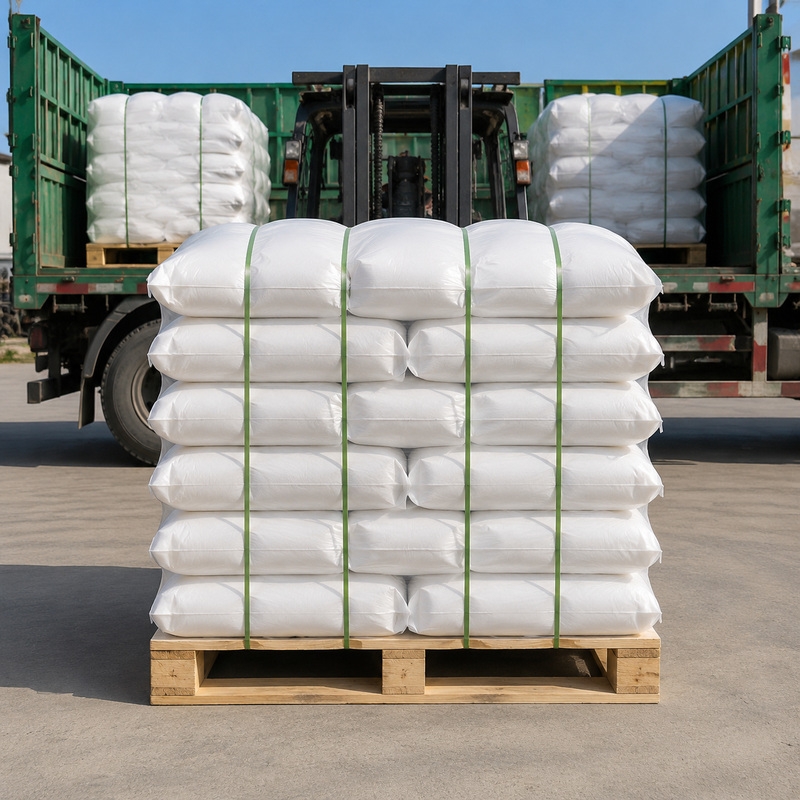
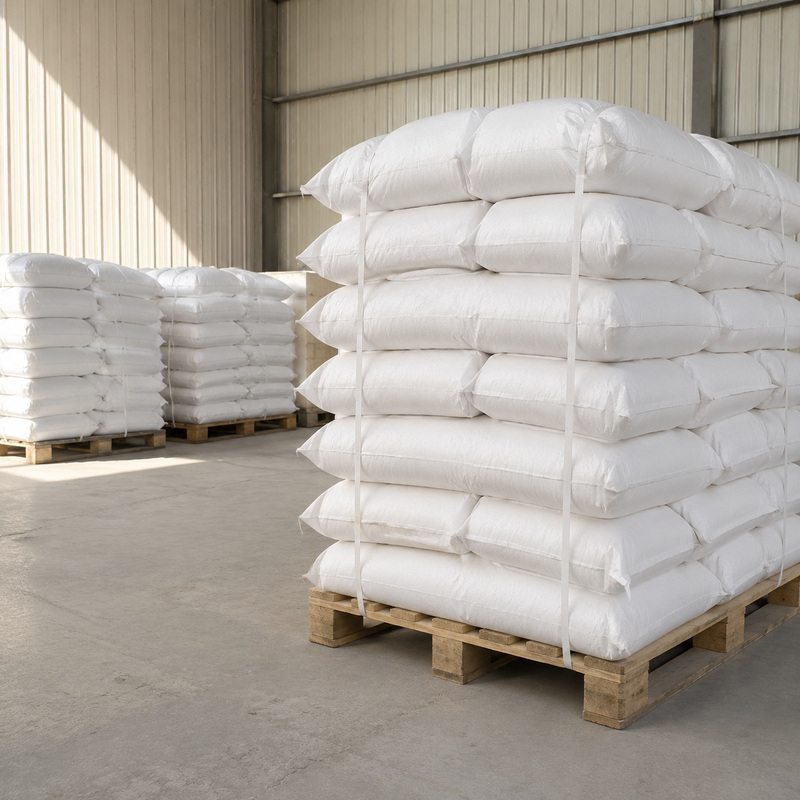
RDP is a powder product and should be stored according to the applicable product recommendations.
During procurement, buyers may also need to confirm:
Bag size
Pallet requirements
Container loading
Storage conditions
Shelf-life information
Batch identification
Packaging condition can be particularly relevant during long-distance transportation.
If powder is exposed to unsuitable storage conditions, its physical condition may change before use.
For commercial procurement, buyers may request documentation appropriate to their purchasing and quality-control procedures.
Depending on the transaction, this can include:
Product specification
Technical data
Batch quality documentation
Safety information
Packing information
Documentation requirements may differ by customer and destination market.
They should therefore be confirmed before shipment.
A practical replacement process can be divided into five stages.
Compare product specifications and identify candidate RDP grades.
Check the samples according to the buyer's internal raw-material control procedure.
Use the existing formulation and change only the RDP.
If required, investigate dosage adjustments or other controlled formulation changes.
Where appropriate, verify the selected formulation under representative production and application conditions.
This sequence makes it easier to understand where differences occur.
A useful test record can include:
RDP supplier
Product grade
Batch number
RDP dosage
Cement batch
Sand and filler information
HPMC grade and dosage
Other additives
Water addition
Mixing procedure
Test temperature
Fresh mortar observations
Cured mortar test results
Test date
This creates a technical record that can be reviewed later.
It is particularly useful when several suppliers are being evaluated at the same time.
When contacting an RDP supplier, buyers can provide:
Application: Tile adhesive, repair mortar, insulation mortar or another dry mix product
Current RDP Type: If available
Current Dosage: If available
Required Properties: According to the formulation objective
Current HPMC Grade: Where relevant
Main Problem: If troubleshooting an existing formulation
Sample Quantity
Expected Commercial Quantity
Packaging Requirement
Destination
For supplier replacement, the current RDP specification can also help identify a suitable candidate for comparative testing.
Not automatically. Similar technical specifications do not guarantee identical behavior in a specific mortar formulation. Controlled comparative testing is recommended.
Using the same dosage is a useful starting point for comparison. Further dosage optimization can be performed after the initial test if necessary.
For the first controlled comparison, keeping water addition constant can make the results easier to interpret. Water-demand optimization can be evaluated separately afterward.
If the objective is to compare RDP suppliers, it is generally more useful to keep the HPMC unchanged during the first test.
Ash content is one specification parameter, but it does not independently determine application performance. The complete specification and mortar test results should be considered.
Not necessarily. The actual formulation cost also depends on dosage, formulation adjustments and whether the finished mortar meets the required properties.
There is no universal number. A current reference product together with selected candidate samples can provide a practical starting point.
Laboratory testing is useful for controlled comparison. Depending on the scale and application, further production or application verification may also be appropriate before a major supplier change.
The purpose of changing an RDP supplier is not simply to find a powder with similar numbers on a technical data sheet.
The more relevant question is whether the new product works appropriately in the customer's actual formulation.
A structured comparison can follow:
Technical Specifications → Incoming Sample Test → Equal-Dosage Mortar Comparison → Dosage Optimization → Production Verification → Batch Control
This approach helps separate the influence of RDP from changes in cement, sand, HPMC, water and other formulation variables.
Shenyang Xingzhenghe Chemical Co., Ltd. supplies redispersible polymer powder grades for applicable dry mix mortar applications. Product specifications, batch documentation, packaging information and samples can be provided according to purchasing requirements.
RDP grade and dosage should be evaluated according to the customer's formulation, raw materials, target properties and applicable test conditions.
 How to Compare RDP Samples Before Changing Suppliers
 What Is Redispersible Polymer Powder (RDP)? How It Works in Dry Mix Mortar
 How to Select Redispersible Polymer Powder for Tile Adhesive
 Redispersible Polymer Powder for ETICS Mortar: Performance and Selection Guide
